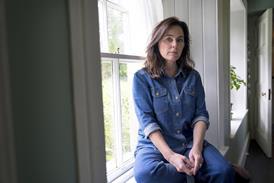
BBC Vision: Jane Tranter, outgoing controller of fiction
“I would like to see more wit in absolutely everything. Even the most serious drama is made better and more exceptional by having moments of lightness and wit in it, because actually that is what real life is,” she says.
At the lighter end of the scale, Tranter cites ABC's Ugly Betty (“comedy with drama”), Gray's Anatomy (“drama with wit and warmth”) and Desperate Housewives (“in the middle”) as an enviable mix.
Specifically, the corporation is looking to fill the occasional hour-long Sunday night slot at 8pm, which competes with the “soft, nostalgic” feel of ITV1.
“If there is one slot we have struggled with, it's that. Although we have done some fantastic pieces there which I'm proud of, we've failed to really grab an audience's imagination and therefore viewing habits in that slot.”
The one exception this year was Lark Rise to Candleford, which Tranter claims owed its success to its comedy rather than period feel. She identifies this formula as a route to bigger audiences that will allow the BBC to feel different from other channels.
Apart from laughs, the BBC is interested in anything with “a conundrum at its heart” that occupies viewers' minds after the programme has ended or, alternatively, has “a sense of myth and heritage” as in Doctor Who and Heroes.
Although it is open to ideas from any genre, Tranter identifies fantasy as a particular wellspring of ideas. “It plays out very well on British television and there isn't very much of it. You need to approach with caution because viewers can get fantasy with bigger production budgets in the cinema but when we do it, it kind of works.”
She is also keen for more drama based in foreign countries and cultures, as with The Number One Ladies' Detective Agency which was entirely set and filmed in Botswana and bought a different pace of storytelling into the mainstream. “The world is a big place but it feels much smaller than it ever did and I feel it would be good for the BBC to dramatise the lives of people in different places,” she says.
Whether a drama is an original piece or a classic adaptation, Tranter is clear that it must have an “authored feel”. “It could be based on a really classic title like Bleak House or Tess of the D'Urbervilles but we are looking for a take on it that makes it resonant in the present day - that gives it modernity and clarity. In Tess, it is the way that David Nicholls has brought out the big emotional themes.”
Having said that, the schedules are pretty full for series and serials and the biggest opportunity for new drama commissions is with single dramas. Tranter has gaps for 24 to 26 singles every year and is looking for “unusual and unexpected” pieces that “juxtapose really boldly” with the familiarity of the corporation's longer-running bankers.
The widespread economic gloom coupled with global warning fears mean audiences need escapist tales of joy and excitement or, if they have to be bleak, with a strong redemptive message.
The only genre off Tranter's menu at the moment is apocalyptic drama - unless it “very clearly” illustrates the strength of human spirit to survive.


Have your say
You must sign in to make a comment.