

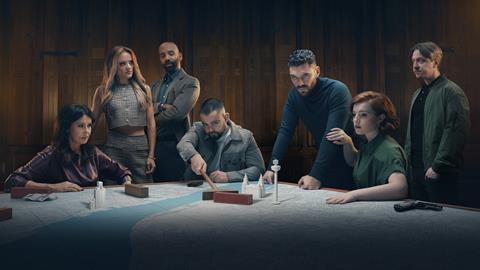
Callum Akass, BBC’s head of drama development, talks clever protagonists, unique relationships and why characters ‘breaking bad’ are not needed
Eight on the Slate is a series of monthly articles brought to you in partnership with Broadcast Intelligence that explore what commissioners from around the world are looking for and how producers can work with them.
From rights and windowing to key genres and programming priorities, we explore the must-haves for those holding the purse strings and how they are shifting their wishlists in a fast-moving landscape.
Today, the BBC’s head of drama development, Callum Akass, discusses his need for clever protagonists, unique relationships and ensemble dramas that give privileged access to misunderstood worlds - as well as why spy stories and characters ‘breaking bad’ are not required.
What makes a show uniquely suitable for the BBC?
We aim to make shows that entertain while having something to say about life today in the UK. There’s a place on the BBC for stories that are confronting and stories that are comforting, but either way we look for stories that excite audiences through the relevance of their subject matter or the inventiveness of their storytelling. We want our shows to pack an emotional punch.
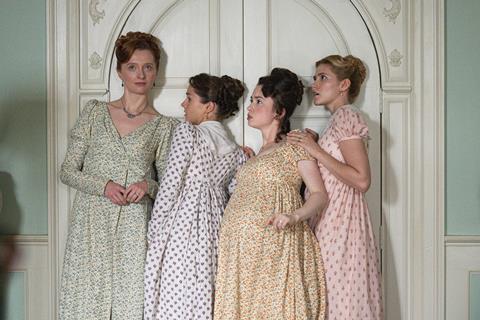
We prize shows that come at a familiar genre from a fresh angle, whether it be Life on Mars, Mint or The Other Bennet Sister. Equally, we value stories that come straight from the front-line of British culture, with an authored perspective on subject matter that fascinates or preoccupies the public, as recently seen in Jimmy McGovern’s Time S3. We gravitate to scripts which feel properly rooted in their sense of place, in a way that authentically speaks to a British audience.
Not every show needs to do everything - it is our job to ensure there is something enticing for everyone across our slate.
What genres do you commission?
We commission a wide range of genres within scripted drama – from romances like the upcoming Open Water, to crime shows like This City is Ours, thrillers like Vigil, period dramas like The Other Bennet Sister, legal shows like The Split Up, and everything in between.
What are your top priorities for your upcoming slate?
Above all, we are looking for original ideas set in the here and now. Our focus is on building new beloved IP on the BBC.
As part of that aim, we are looking for unforgettable lead characters who move, amuse and frustrate us. We want clever protagonists who can’t get out of their own way. We would also like to see unique relationships that speak to the changing ways we relate to families, partners, friendships, and colleagues in the modern world.
We are seeking ensemble dramas that give privileged access to lesser-known or misunderstood worlds - what’s drama’s answer to ‘The Secret Lives of’ series?
Lastly, we want shows that embed cultural talking points in the fabric of the story, potentially through subplots and side characters, rather than necessarily placing those issues front and centre. In the vein of Beef or, going further back, Quiz, we’d be interested to find writing that locates a mood in the culture through a more playful approach or tone.
Are there any trends you’re keen to capitalise on?
We’d love to find a show that finds clever (and televisual) ways to tap into the way that crime looks and operates now, as opposed to more traditional forms of crime - Maximum Pleasure Guaranteed is a good recent example.
What do you NOT want to be pitched?
Spy dramas, legal dramas, factual dramas and period pieces. We are also oversubscribed on crime shows that centre gangs. More specifically, we see a lot of proposals which feature ordinary folks turning to a life of crime, and ‘breaking bad’, so the less of those the better.
What would surprise people about your slate?
People tend to underestimate the range of genres we develop at the BBC. The slate includes bold swings in sci-fi and horror, such as Danny Robbins’ The Witch Farm, and also takes in sub-genres you might not expect, like sports dramas.
I joined last summer and was also struck by the large proportion of development projects from newer writers, many of whom come through our BBC Writers schemes.
What are the key components you consider for international co-productions (editorially and/or in terms of finance models and rights)?
The brilliance of the writing and the editorial is the priority for us. It helps if a story has clear, widespread relevance in its subject matter or themes. As a public service broadcaster programming for the British public, we don’t try to pre-empt a show’s prospects of finding co-production financing or build our slate on that basis. At the same time, that financing is vital and we support producers on that journey in whichever way is appropriate.
At what point should producers pitch to you?
You can pitch to us at either an earlier (pitch, treatment) or a later stage (script, other packaging). An email to me and/or a relevant commissioning editor will do. We also have commissioning editors with regional remits, which you should bear in mind if that’s relevant to your project.
For more information on pitching to Brent and hundreds of other commissioners, check out Broadcast Intelligence.






No comments yet