

In the latest instalment of the monthly strand exploring programming needs, ZDF’s Jasmine Maeda outlines her wishlist and explains why miniseries rule
Eight on the Slate is a series of monthly articles brought to you in partnership with Broadcast Intelligence that explore what commissioners from around the world are looking for and how producers can work with them.
From rights and windowing to key genres and programming priorities, we explore the must-haves for those holding the purse strings and how they are shifting their wishlists in a fast-moving landscape.
Today, Jasmin Maeda, senior vice president of international fiction co-productions and acquisitions at Germany’s ZDF, talks up the importance of shows with social and cultural relevance, her interest in event programming and why four to six episodes is the perfect number.
What makes a show uniquely suitable for your broadcaster?
A show is uniquely suitable for ZDF when it combines broad, mainstream appeal with a distinctive voice. As the department for international fiction, we focus on acquisition and co-production projects that offer a strong sense of internationality in look and atmosphere, enriching domestic productions and opening a window onto the world for our audience. In the area of co-productions in particular, we value stories with a clear and compelling USP that are rooted in their territory of origin while exploring universal themes. This balance is what makes a project well suited for international co-production and allows it to resonate across borders.
As a public broadcaster, we pay close attention to topics and values that carry social and cultural relevance, and we place particular emphasis on strong European perspectives that reflect the diversity and complexity of our shared cultural space.
What genres do you commission?
At the core of our strategy is premium content with strong event suitability - projects that cut through, create shared viewing moments and strengthen our brand. At the same time, as a public service broadcaster, we are drawn to international series that are bold in scope yet precise in perspective, and that work naturally within European co-production structures. Our commissioning focuses on a variety of genres, with (procedural) crime and thrillers at the heart of our linear offering, while addressing both traditional audiences and a younger, streaming-oriented viewer base.
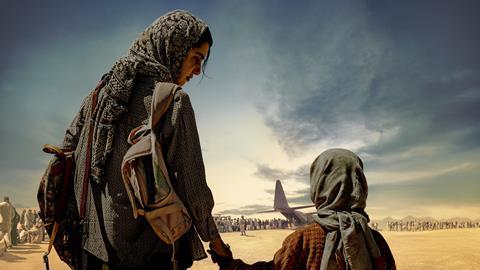
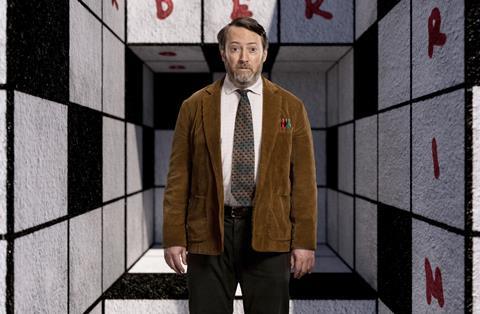
Alongside this, we seek true event programming that creates shared viewing experiences with broad appeal, from In 80 Tagen um die Welt to Kabul and The Emperor’s Stone. International crime remains a cornerstone of our portfolio, encompassing established successes such as Harry Wild and Fallen as well as newer titles like A Remarkable Place to Die. Demand remains strong, and we actively look for fresh angles that keep these formats dynamic - an ambition reflected in our partnership with the BBC on Ludwig, premiering in Germany later this year.
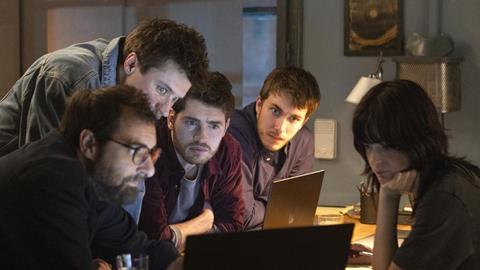
For our streaming service, we co-commission a significantly broader range of genres. Alongside drama, this includes romance, comedy and, on occasion, sci-fi or fantasy provided the projects are high end, bold, contemporary and internationally competitive. This year, we are excited to showcase distinctive co-productions such as The Kollective, Phoenix, How to Kill Your Sister and Kabul.
What are your top priorities for your upcoming slate?
Our priority is to strengthen our international profile without losing editorial focus. We are seeking contemporary stories with depth, relevance and emotional pull, developed through strong European partnerships. We are actively looking for projects with a positive tonal range - stories that bring people together, spark strong emotions and offer moments of uplift.
We are continuously looking for ambitious, high-end series with outstanding production value that can compete internationally such as our recent co-production Paris Has Fallen or our newest collaboration with the BBC, Honey.
We’re exploring IP-based young adult shows that resonate with younger audiences and engage existing fan communities
Building on our successful collaborations with the BBC and Netflix on A Good Girl’s Guide to Murder, we are continuing to explore IP-based young adult shows that resonate with younger audiences and engage existing fan communities. In all genres, memorable and compelling characters are essential as they provide the emotional core that allows audiences to connect with a story.
Are there any trends you’re keen to capitalise on?
We see real momentum in European-driven storytelling. Projects that are developed collaboratively across borders, with shared creative ownership, feel particularly relevant at preset. We are proud to work alongside our strong partners from New8 and the European Alliance to bring bold, broad-appeal stories to life - stories at the heart of fresh ideas and innovation.
What do you NOT want to be pitched?
As we are focused on premium drama for a mainstream audience, we’re not particularly interested in projects that are too narrow in scope, or too focused on a particular niche audience.
At the same time, we’re not looking for projects that are generic, purely market-driven or nationally narrow in scope. If a story can’t justify its relevance beyond entertainment value, it’s probably not for us. When it comes to format aspects in terms of co-productions, we are increasingly drawn to projects with a smaller number of episodes (4-6). Not only does tighter, more focused storytelling align with audience viewing habits, it also supports the kind of high production value and narrative precision we aim for in our portfolio.
What would surprise people about your slate?
One might underestimate the range of genres and territories from which our co-productions originate. We offer beloved and distinctly Scandinavian crime series like Dan Sommerdahl as well as politically charged international thrillers with a diverse European Cast such as The Kollective, modern French action dramas like Cat’s Eyes or emotionally engaging and sensual coming-of-age series like The Trio.
We move confidently between politically charged international drama and emotionally engaging storytelling, while keeping a clear editorial identity throughout. Alongside our strong German originals, international projects play a vital role in enriching our portfolio and connecting our viewers with cultures and perspectives beyond our borders.
What are the key components you consider for international co-productions (editorially and/or in terms of finance models and rights)?
Early involvement in the process, both creatively and editorially, is a key priority for us. Clear alignment on values, transparent financing structures and trust between partners are just as important to us as the script itself. When it comes to international co-productions, we as a German broadcaster see ourselves as a reliable, but minority, partner aiming for an exclusive first window.
How, and at what point in the development process, should producers pitch to you?
We have the capacity to work in a number of different ways from co-production to acquisitions. For co-productions, the ideal situation is when there is a first script and a main commitment in the country of origin by a broadcaster or streamer. This allows us, as a minority financing partner, to gain a good understanding of the editorial vision and target audience, and also gives us the opportunity to contribute to the creative process in a meaningful way.
For more information on pitching check out Jasmin Maeda’s profile on Broadcast Intelligence.





No comments yet