

From ITV’s glitzy Brooklyn Bridge studio to the BBC’s last-minute dash to Atlanta, Dan Funston of The PHA Group weighs up how the UK’s two free-to-air giants covered the 2026 FIFA World Cup — and why familiarity ultimately won out

To BBC, or not to BBC, that is the question. Shakespeare didn’t have the 2026 FIFA World Cup in mind when he penned his immortal line, but for UK viewers of this year’s final, that is the question they were presented with, after a one-month bonanza in which the BBC and ITV had gamely split their match coverage.
The answer, it turns out, was fairly emphatic, with a peak of 9.7 million viewers tuning in for the BBC’s coverage final, compared to 2.3 million who opted for ITV’s.
The BBC also enjoyed the (Three) Lions share of England’s knockout matches, including another heartbreaking semi-final exit watched by 24 million, while ITV’s final England knockout as sole broadcaster saw a peak of 18 million watch Tuchel’s side defeat Norway.
Numbers aside, how did the two broadcasters’ coverage match up?
ITV reveals swanky NYC studio
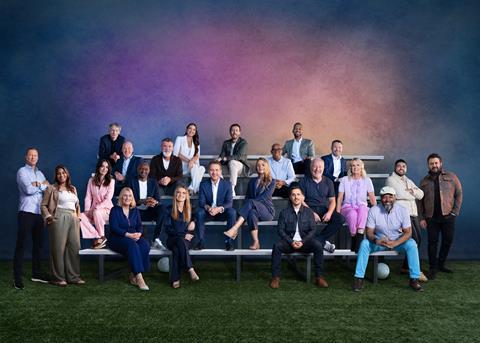
ITV set its stall out early, unveiling a plush studio overlooking the Brooklyn Bridge. After the BBC decided not to send its studio team out to the States, ITV took the headlines in the opening weeks of the tournament, boosted by showing two of England’s three group games.
It was clear ITV had decided to double down on a punditry team with strong opinions and comfortable with in-studio conflict, with Gary Neville, Ian Wright and Roy Keane bringing their Overlap energy to the NYC set. Meanwhile, more technical, tactical analysis was left largely to Emma Hayes to deliver during the now-infamous hydration breaks and, despite her usual high-end insight, her contribution was somewhat overshadowed by accusations that ITV had taken ‘throwing the kitchen sink’ at their studio set a little too literally.
BBC thrives with big hitting ties
While ITV’s coverage proved an accessible way for viewers to digest the sheer volume of talking points arising from the first two weeks of the tournament, the BBC came into its own the knockout stages began.
Its punditry team focused heavily on ex-England internationals, and as the number of matches dropped down and the stakes rose up - particularly from an England perspective - the team’s analysis was valued.
Yes, criticism of its decision not to send a studio team out to the States continued, but the broadcaster was still able to beam Alan Shearer into early morning living rooms to give the country a tangible feel for the charged atmosphere of the Azteca Stadium as the nation united behind one of the great backs-to-the-wall performances in England World Cup history.
It was that Azteca broadcast that set the tone for the remainder of the tournament.
Rooney wins the nation’s heart
As World Cup fever hit its peak for England’s semi-final showdown with Argentina, the BBC was there all of a sudden, presenting live from the Mercedes-Benz Stadium in Atlanta, as if it had been road-tripping around the States, belting out ITV’s ‘Life is a Highway’ theme all along.
The gamble certainly paid off, as its Three Lions heavy roster captured the frustration, disappointment and regret of the country as England meekly surrendered their 1-0 lead.
Then in the final, the BBC spoke for the nation in the form of Wayne Rooney and his cutting “I thought it was crap” assessment of the half-time show, providing the definitive off-field punditry moment.
So, what did we learn?
Both broadcasters brought a strong game to this year’s World Cup, albeit optically it took some time for the BBC to grow into the tournament, given its notable lack of presence during the early stages.
Ultimately, the trust and familiarity the nation still retains in the BBC won out during the final, and no amount of studio ‘slickery, trickery and bickery’ could help ITV overcome a less favourable knockout stage schedule.
The pair most likely ended up where they expected, the BBC valued for its more level-headed, technical analysis of the business end of the tournament, while ITV came into its own during the opening weeks, where a more visual, light-hearted and issues-based approach positioned its tone more as a daily digest programme, when viewers could have easily got lost in the relentless churn of the group stage.
Fortunately, we’ll almost certainly be asking the same questions again next time round, with the World Cup rightly remaining a protected, free-to-air event for the country to get behind – broadcast loyalties aside.

Dan Funston is a senior account director (Sport) at PR agency The PHA Group



No comments yet