

The PHA Group’s Ollie Rumbold explains why he backs ITV’s recent in-play ads during the Six Nations
The sports broadcasting landscape has never felt more fragmented. Not long ago, when times were simpler, “having the sport channels” often meant paying a single bolt-on to your Sky package, with the usual blue-riband free-to-air events filling in the gaps. Today, the avid sports fan must navigate a maze of subscriptions, potentially shelling out for Sky Sports, TNT Sports, Prime Video, DAZN, Premier Sports and an ever-growing list of platforms all vying for exclusive rights.
I get a warm, fuzzy feeling hearing Clive Tyldesley’s voice, watching back ITV’s footage of Ronaldinho’s outrageous goal against Chelsea, remembering England’s momentous 2005 Ashes win on Channel 4, or reliving Andy Murray lifting the Wimbledon trophy for the first time in 2013 on the BBC. Yet while the Champions League and the Ashes have long slipped behind a paywall, leaving moments like these lost on those who don’t subscribe, at least we can all still watch Wimbledon on terrestrial TV… for now.
It has been widely reported that Wimbledon considers the BBC’s coverage “too formulaic” and in need of innovation. That may be a sincere critique, but the timing is conspicuous. These concerns are surfacing just as the BBC’s rights deal enters its final year, precisely when Wimbledon knows it could command a significantly higher fee by entertaining offers from pay-TV broadcasters while keeping within Ofcom’s listed events rules, as the Olympics and FA Cup do. Although there remains optimism that the partnership could continue beyond the 2027 expiry, this episode serves yet another example of how one of the UK’s most cherished sporting institutions may be edging closer to life behind a paywall.
While many sports wrestle with how to balance rising broadcast fees with keeping viewers and fans onside, the biggest threat to the entire ecosystem may come from within. Football. Football is far and away the most in-demand, lucrative sport when it comes to broadcasting. Such is the demand, power and viewership of the game that other sports have piggy-backed on its gravitational pull, benefiting with viewers from scheduling events immediately after a ‘Super Sunday’ or Saturday evening Premier League match to retain the audience already glued to the channel. Put simply, wherever football is shown, the viewer will follow.
The most intriguing powerplay in all of this is the Premier League’s long-rumoured ‘Premier League+ service’, previously dubbed ‘PremFlix’, a proposed Netflix-style platform that would stream all 380 matches in one place. As someone who’ll happily watch almost anything, I’d love to see other sports get more airtime, but the reality is hard to ignore…without football propping them up, Sky Sports and TNT would lose a huge chunk of their subscribers almost overnight.
So how has sports viewership evolved? The rise of the ‘dodgy stick’ tells its own story. When people are willing to turn to cheap, illegal devices just to get their fix of sport, it speaks volumes about the current state of play and how fed up fans are with the sheer cost of multiple subscriptions. While I’m sure that viewers can accept some sport comes at a price, there must also be ways for free-to-air broadcast channels to compete for the rights to at least some major events.
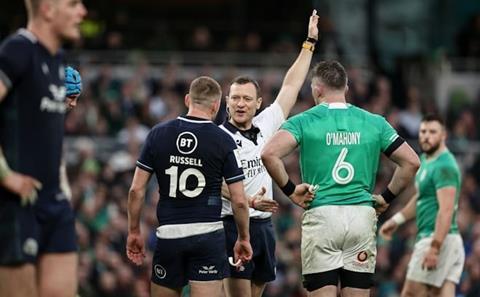
Last year, we received welcome news that the Six Nations will remain on free-to-air TV, shared between BBC and ITV, until at least 2029, but it came with a caveat. For the first time in its history, this year’s Six Nations featured in-game ads: half the screen showing two shrunken packs crouching for a scrum, the other half taken over by an advert. They last, at most, 30 seconds but the reaction has been predictably negative. Purists may wince and many fans feel they’re intrusive, unwelcome and a step towards an ‘Americanised’ broadcast experience due to its similarities to the Super Bowl. However, to those who don’t like them, I’d pose a simple question: would you rather sit through a 30-second advert while still being able to see the action or pay another £30-a-month just to watch the match at all. It’s a complete no-brainer. I’m in no position to argue with David ‘Flats’ Flatman about the theatre of a scrum, and yes, the analysis is always fascinating, but if a brief split-screen helps keep the Six Nations free-to-air, that’s a compromise I’ll happily take.
While it won’t please everyone, I’ve come to think in-game ads would barely disrupt most major sports. Football and rugby average under an hour of ball-in-play time, and sports like tennis, boxing, golf and cricket are built around natural pauses. The space is already there. If a few split-screen ads are what it takes to keep the biggest events on free-to-air television, that feels like a reasonable compromise. The alternative is clear: more paywalls, more fragmentation, and more fans priced out of the sports they love.
Sport is at its best when it brings people together, families, communities, entire nations. Free-to-air coverage does that better than any subscription service ever will. If innovative advertising models help preserve that accessibility, bring it on.

Ollie Rumbold is senior account manager at The PHA Group



No comments yet