National Lottery cash to be delivered via regional partners rather than national skills body

Screenskills: work well series

Screenskills: work well series

The BFI is ending its £23m training partnership with ScreenSkills, prompting private concerns at the latter.

ScreenSkills is understood to be worried about fears of a duplication of efforts and confusion for industry partners in the wake of the BFI’s decision not to renew its deal.

Previously, the BFI handed National Lottery funding to ScreenSkills for it to administer. The six-year agreement, which represented around 30% of ScreenSkills’ income, will end this calendar year.

Following a 13-month industry consultation with the public and industry stakeholders, the BFI has changed course and is preparing to invest £9m in up to seven regional BFI Skills Clusters over the next three years.

Its ambition is to create a national network of grassroots local bodies to level up talent based around the country.During its tenure, ScreenSkills also focused efforts on the nations & regions, but its efforts were shaped from its London headquarters rather than led locally. 

ScreenSkills representatives are understood to have raised concerns about the potential for confusion around the available opportunities and unnecessary overlap with its own efforts and initiatives.

The BFI’s decision to effectively set up a parallel structure is understood to have caused some alarm at the training body which sees itself as agile and closely attuned to the needs of the industry.

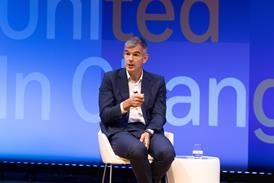
Earlier this month ScreenSkills chief executive Seetha Kumar issued a call for simplicity following her appearance in front of the House of Lords Communications Committee report into skills requirements for the creative industries.

“I made a plea for consistency – to listen to industry and support an industry-led approach - not inadvertently allow duplication and further fragmentation. Fragmentation is confusing and not in the best interests of a UK plc growth story,” she said.

“Get it right and the prize is there for everybody in terms of jobs, industry growth, and social mobility.”

The BFI has made plain its ambition to continue to collaborate with UK-wide organisations, including ScreenSkills, over the next three years and considers its Skills Clusters approach a more effective model.

“An on-the-ground presence is vital to understanding the local training eco-system, having visibility of the production pipeline and an understanding of localised skills gaps, and allows management of local stakeholders in a way that is difficult at a distance,” said a spokeswoman.

“Having a greater understanding of the local area will also enable the Clusters to directly reach out to and recruit people from communities that otherwise may not have considered careers in the screen sector to build long term concrete localised pathways.”

It also pointed to plans to regularly convene the Skills Clusters to share best practice and create efficiencies.

“This is in no way intended to replace or distract from the vital work led by [ScreenSkills] and of course we would like ScreenSkills to be a key part of this work, as they were during the Skills Review process,” said the spokeswoman.

“As the lead body for the sector, we have a successful track record of convening government and industry to better understand and to respond to complex challenges.”

The remaining 70% of ScreenSkills’ income comes from industry via initiatives including the HETV, film, animation and unscripted skills funds.