

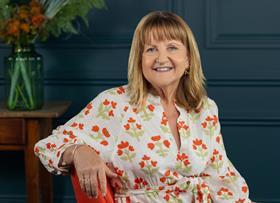
Banijay Rights chief exec Cathy Payne on her key focuses for 2026 and second window pressures
As buyers descend on the UK capital for Showcase, London TV Screenings and Mip London this week, Broadcast International speaks to Banijay Rights chief exec Cathy Payne about the key trends and challenges facing the business.
What was the single biggest challenge for your business in 2025?
The single biggest challenge over the last year has been how we, as a distributor, navigated the general lack of risk taking across the business, while continuing to underpin scripted deficits.
What are your top three growth priorities for 2026?
• Affordable scripted models
• Improving ad sales for self-published content
• Securing co-productions and funding partners for local formats
Streamers have struck some eye-catching deals directly with YouTube creators over the past year. What do you make of this trend and do you see it impacting your business?
Banijay is working with the new YouTube ecosystem in various ways, and this will be a growing trend in 2026. We’re already seeing creators doing their take on existing formats, but as a company we are expanding their reach to linear television through talent representation deals, while also forming new social media partnerships which helps them improve their reach and returns.
Broadcaster-streamer IP pacts have also become popular across Europe, in particular the TF1/Netflix deal starting this summer. How will such arrangements affect your business; will we see a similar deal in the UK; and, what do they mean for the future of second windows?
These deals will put pressure on the domestic market second window through a loss of sales income to other streamers. This will also restrict the ability to raise deficit finance from the secondary market if the programme will already feature on a streaming platform though such an arrangement.
What impact will the WBD-Netflix deal have on your business and the wider industry, if it goes ahead?
Netflix will control a valuable library of IP and an established studio, and will look to grow and exploit that IP.
How will Channel 4’s nascent in-house production (and IP ownership) strategy affect your business and the broader distribution sector?
Channel 4 will face the same challenges as we all do: developing and finding IP, producing for an affordable budget, launching it successfully and scaling it internationally. You need key creative talent to deliver that – so they will have to compete with the market to secure that talent.
If we gave you £2m to invest in a show of your choice with a view to getting the biggest returns within five years, what kind of show would it be?
A must-watch watch non-scripted format with broad audience appeal.
Tell us about your key title for LTVS and what makes it stand out?
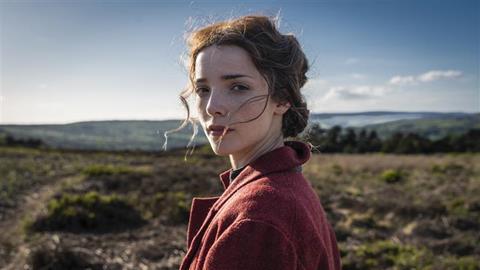
One of our key scripted titles at the London TV Screenings is A Woman of Substance. Produced by The Forge (A Banijay UK company), this is a brand-new adaptation of the multi-million bestselling novel and global phenomenon written by Barbara Taylor Bradford OBE.
Starring Brenda Blethyn (Vera, Pride and Prejudice) as Emma Harte and Jessica Reynolds (Kneecap, The Wolf, The Fox & The Leopard) as the younger version of the iconic character; this is about a housemaid-turned-mogul, daughter, mother, lover, fighter and a 20th century feminist icon who refused to know her ‘place’.
Previously Emmy-nominated and Channel 4’s biggest ever drama when it was made 40 years ago, the series is written by Katherine Jakeways (The Buccaneers) and co-written by Roanne Bardsley (The Buccaneers, Screw).





No comments yet