


In the latest instalment of our monthly strand exploring programming needs, Rai’s docs chief outlines his wishlist and explains why singles rule
Eight on the Slate is a series of monthly articles brought to you in partnership with Broadcast Intelligence that explore what commissioners from around the world are looking for and how producers can work with them.
From rights and windowing to key genres and programming priorities, we explore the must-haves for those holding the purse strings and how they are shifting their wishlists in a fast-moving landscape.
Today, Luigi Del Plavignano, director of documentaries at Italian public broadcaster Rai, discusses a growing need for biographies, his preference for singles over series, and the introduction of a new portal for producers to pitch ideas which will also be available in English.

What makes a show uniquely suitable for your broadcaster?
Italy has many topics of international interest, and these topics can be enriched if addressed from a global perspective. This is the core of our editorial approach. We’re also interested in topics of a broader international scope, while always keeping the focus on our Italian audience, which is passionate about subjects related to their homeland and can identify with them.
What genres do you commission?
We are interested in a variety of genres. These include recent history, especially events that impact our present lives. We also look for biographies on subjects related to areas such as sports and the arts, as well as science and new technologies, contemporary societies, programmes for Made in Italy [the anthology strand] and culture.
What are your top priorities for your upcoming slate?
Above all, we are looking for stories that inspire young people and that present them, their attitudes and beliefs, to other generations. We’re also working on major biographies, such as Renzo Piano, and sports stories like The Match (co-produced with France Télévisions) about the football relationship between Italy and France over the decades, and Welcome Pietà, which is about the historic moment when the Pietà was brought to New York for the expo of 1964.
From an editorial viewpoint, in addition to having a strong Italian perspective the story must have an original, unconventional narrative
Are there any trends you’re keen to capitalise on?
We are keen to explore new technologies and new frontiers of research, focusing on how they will potentially change our society, the world of work, and the nature of relationships. Naturally we also want to highlight the people who are realising these technologies today.
What do you NOT want to be pitched?
We prefer one-offs and do not prioritise series. We do not commission current affairs, geopolitics or wildlife programmes.
What would surprise people about your slate?
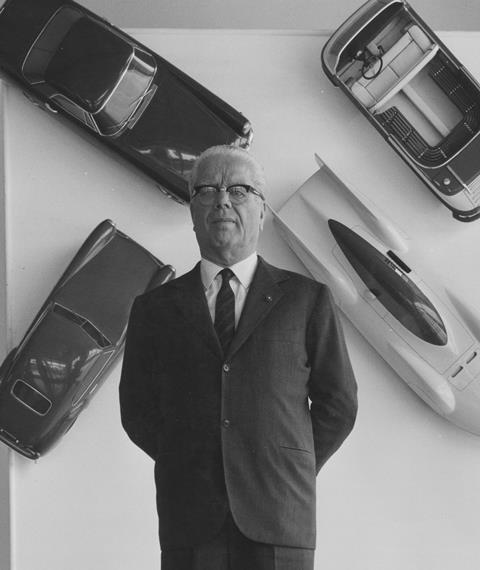
One of our premiere documentaries of the moment is The Story of a Legend: Pininfarina. Apart from winning the Premio Film Impresa 2026 in the documentary category and telling the story of an industrialist and his family that has become iconic, the film reimagines the Pininfarina legend in cinematic style, intertwining design, business, and narrative.
What are the key components you consider for international co-productions (editorially and/or in terms of finance models and rights)?
From an editorial viewpoint, in addition to having a strong Italian perspective, the story must have an original, unconventional narrative.
From a production perspective, we prefer an independent Italian producer to be involved in the project so that we may also benefit from other national and local funding.
How, and at what point in the development process, should producers pitch to you?
It’s important that the project reaches us at an early stage so we can provide development guidance that will make it suitable for our audience. In the coming months, a portal will be launched, also in English, where producers can submit their proposals.
For more information on pitching, check out Luigi Del Plavignano’s profile on Broadcast Intelligence.





No comments yet