

Former boss of Mattel appointed to work alongside David Ellison

Paramount is poised to complete its acquisition of Warner Bros Discovery (WBD) after a US federal judge gave the final go-ahead for the $111bn transaction.
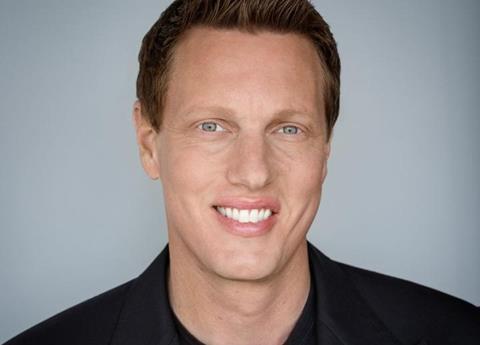
Minutes later, Paramount chief exec David Ellison announced former Mattel chief Ynon Kreiz as co-CEO of the combined company, effective from 5 October.
Judge Araceli Martínez-Olguín greenlighted the consent decree outlining the terms of the settlement agreed last week by Paramount and 12 US states, calling the decree “a reasonable factual and legal resolution of the dispute”.
Noting that the document follows approvals by regulators around the world, Judge Martínez-Olguín said it was the result of “procedural fairness”.
She added that she was satisfied that the decree, which sets out terms for the five years after the merger closes, addressed theatrical and cable sector antitrust concerns raised by the states led by California attorney general Rob Bonta.
Ellison will now race to tie up formalities and the deal is expected to close on October 6, WBD said later on Wednesday. The media mogul is determined to minimise “ticking fee” costs that the combined company will owe WBD shareholders. The fee kicks in on Thursday (October 1) and amounts to approximately $7m (£4.8m) a day.
Ellison will continue as chairman and CEO and lead strategy, creative and technology, while Kreiz, as co-CEO will oversee day-to-day operations and integration of the combined businesses. The company has said it will make $6bn (£5.3bn) in savings and Paramount and WBD employees await their fate in the coming weeks.
On Tuesday, Cindy Holland, a former advisor to Ellison at Skydance before he merged that company with Paramount last year, stepped down as head of streaming. Hollywood observers speculate the role of streaming head at the combined company will go to HBO and HBO Max Content chairman Casey Bloys.
Ellison has agreed that the combined Paramount-WBD will release a minimum of 30 theatrical features in the first two years, rising to 32 in the final three. There are terms regarding a minimum 45-day theatrical exclusivity and a moratorium on the PVoD window until 90 days after the start of the theatrical run.
Furthermore – and of critical interest to the independent community, who are none the wiser as to how this will practically affect their businesses – Ellison has committed to release a minimum of four independent features each year, and establish an independent acquisitions fund allocating $5m per year for five years.
Paramount and WBD will be required to negotiate separate cable carriage deals so as not to aggravate antitrust concerns. Breaches of theatrical release and cable distribution commitments that are not fixed within six months will result in, respectively, divestment of Miramax and a suite of cable channels including BET and Comedy Central.
These conditional structural remedies were not what observers hoped Bonta and Ellison would agree to after Bonta called for divestiture of assets in the weeks prior to the settlement. Sources have speculated that he succumbed to political pressure from California and Los Angeles to get the deal over the line and preclude Ellison from making good on his threat to relocate Paramount out of the state.
Critics of the decree argue that the absence of immediate structural remedies, which typically change the architecture of a company and are easier to monitor and enforce than so-called behavioural remedies like a commitment to release a number of features each year, shows that the agreement lacks teeth.





No comments yet