

Creator of medical series talks contained drama, ‘spoon feeding’ audiences and ‘unreasonable’ pilots
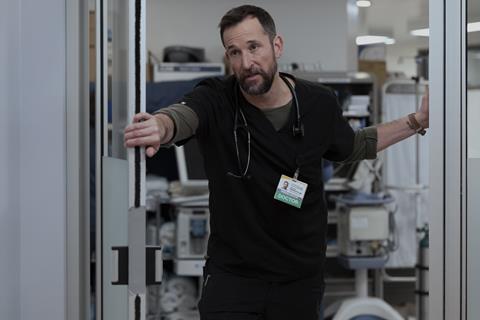
The Pitt creator and showrunner R. Scott Gemmill has laid out how he produces his hit drama so quickly and labelled the pilot system as placing “unreasonable” expectations on shows.
Gemmill is already working on a third season of The Pitt following its debut last year on HBO Max in the US and the showrunner said the drama’s “sneaky trick” to producing rapidly was its single location.
“I can do it because I’m on one set,” he told Banff World Media Festival. “We don’t leave Stage 22 at the Warner Bros lot very often, so it’s more contained. I understand what [HBO Max]want and their desire for regular seasons, and that is possible but you have to get used to a short hiatus.”
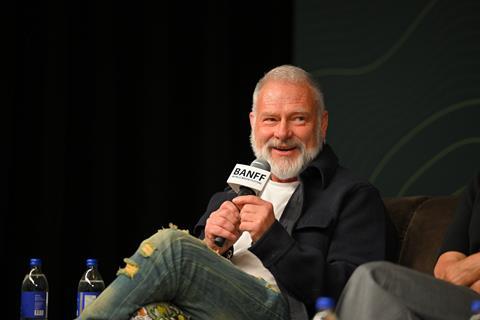
Gemmill said the show would typically shoot eight or nine pages of script each day, with the series shot in page order.
“Shooting in scripted order is unique, it means everyone has to be on the same page and you’re in it for the duration. Some of our actors had to learn that they’d only be in the background for some shots and that helps sell the authenticity. It’s like a one-day play that goes on all week.”
Gemmill added that he writes the show in a five-act structure that allows each episode to be broken down into compartmentalised sections that help build a rhythm.
“When you’re dealing with such intensity of feeling in each episode, you need to give the audience time to take a breath. And the characters have to deal with that too, so we see them stepping out from one patient before dealing with another.
“It’s about staying the moment and connecting them… it’s like weaving a tapestry.”
It’s like playing Risk
Gemmill outlined how he writes with a giant map on his desk, with figures representing characters to enable him to see where different cast members will be across the ER department.
“I have a map of the set, it’s like I’m playing Risk, moving people around. And it means that when the director gets to set they know a conversation is going from this room to that room - the hope is to keep that momentum going.”
Gemmill added that persuading HBO Max execs not to have any music on The Pitt was “a bit of a challenge” but added that it created “much more impact” than having a soundtrack would have.
“When you’re in hospital you get news and there are no strings - you get told your son is dead and you have to live in that silence. It made a huge impact for us but it won’t work on every show. I’m not sure how aware people are that there’s no music, but to my mind it makes people more engaged.”
The Canadian writer also said he believes the pilot system, which has started to resurface following years of straight-to-series orders, is a challenge for creatives.
“What is expected in a pilot just feels unreasonable,” he joked, adding that “sometimes that’s why pilots sometimes look like pilots.” The Pitt, which did not go to pilot, was “very fortunate” he said, “and hopefully the industry understands now that storytelling needs room to breath.”
He continued: “The reason we’re seeing great shows on TV is we’re allowing that, we’re not spoon feeding the audience - they don’t need to know everything about a character by the end of the first episode.
“People will invest the time in the right show and we’ve all benefitted from that. The way we tell stories now allows characters to grow and audiences really respond to that. When you write pilots, you’re constricting the time and forcing information out that shouldn’t be out there so fast and that creates an artifice.”



No comments yet