The fabric of our industry is at risk if we don’t protect universality, warns Jonathan Thompson, as DUK unveils a rebrand 

Broadcasting does many things. We know the Reithian basics: inform, educate and entertain. I think if he’d been around in the digital age he might have added - connect. 

Broadcasting connects programme makers to their audience and broadcasters to each other, and the audience to parts of the outside world they might never otherwise encounter. 

But most importantly, it connects us to each other and it is often at its best when it brings us together - as families and friends, as neighbours and communities, as society.  

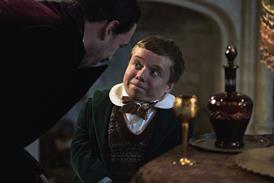
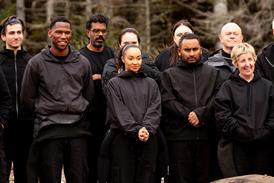
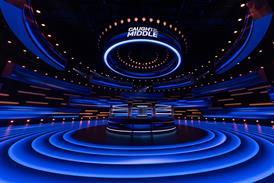
To celebrate shared moments of joy - Paddington taking tea with the late Queen, Hamza and Jowita holding the glitterball, the Lionesses lifting the cup. 

Strictly 2022

And to reassure us in moments of crisis - Covid, cost of living, conflict abroad.  

That connection is only possible because of one key principle that underpins our unique and very British system of broadcasting - universality.  

In the literal sense of meaning TV for everyone, universality was a simple premise to understand and to deliver in an analogue world. And we’ve collectively done a good job of ensuring it has been maintained in the age of digital broadcasting. 

But as we move into the third era of television - the streaming age - I believe universality is increasingly under threat. 

As a creative industry, our discussions about broadcasting tend to focus on the creative role it plays in our society. And rightly so, as the health of any creative sector is based on the diversity and quality of the stories it tells. 

But the health of a public service broadcasting system in particular depends just as much on those stories being available to everyone, regardless of who they are, where they are, or what their views on the world happen to be.   

The organisation I lead was set up 18 years ago to take us from an analogue to a digital world, to ensure no one was left behind in the move to make more content available via alternative platforms. More poetry, different pipes.  

Today, that organisation - Digital UK - is changing its name to Everyone TV.  

As Everyone TV, we will ensure that the TV experience we so often take for granted - high quality content, free to all, available to all, and easy to use – endures and evolves.  

Following the addition of Channel 5 just over a year ago, we are now owned by the UK’s leading public service broadcasters. It’s on their behalf that we run the UK’s leading free TV platforms, Freeview and Freesat.  

As streaming becomes more commonplace, our new name - Everyone TV - reflects our role as the custodians of free TV and represents a new mandate from the PSBs to evolve free and universally-available TV for a digital age. 

We will also work within the new prominence legislation promised by Government to guarantee British content remains easy to find and to watch. 

The new name reflects the urgent need to make certain that the television that is most truly British can easily be found and enjoyed by the people who love it most: we Brits. 

A future in which the programmes served up to us only end up reinforcing our own worldviews? That is surely not a long-term benefit to audiences, to society or even, eventually, to TV producers. 

Instead of a world in which algorithms from the likes of YouTube or TikTok determine choice, the curation and presentation of British programmes must be done on behalf of British audiences, catering for the needs of all, young and old, whatever the mechanism of delivery is. 

It’s our job not to care what the platform is as much as to care that in a changing age, we keep what is strong about our system today and make it available and enjoyable for all. 

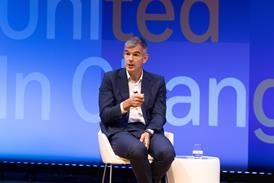
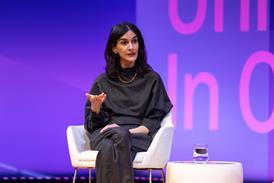
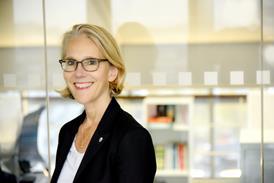
Jonathan Thompson (2)

Only then can we rest contented that in the UK, TV will continue to connect everyone to everyone else.  

Jonathan Thompson is chief executive of Everyone TV, formerly Digital UK