

Gemma Rushworth, managing director of Engage Digital Partners, looks at how women’s sport can end a reliance on success for viewership
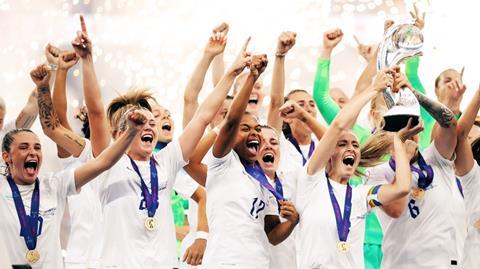
The Lionesses have done a lot of the heavy lifting for women’s sport. When England are progressing through a tournament, people who rarely watch football suddenly have opinions on substitutions. Players become household names and broadcasters have an audience that extends well beyond their usual sports viewers.
It’s easy to look at those moments and feel confident about where the game is going. But England will have disappointing tournaments. There will be early exits, and summers when attention goes elsewhere. How much of the support being built now will survive that?
The latest Women’s Sport Trust research gives us some indication of the challenge. Between January and August, women’s sport reached 21.6 million UK broadcast viewers, its lowest three-minute reach since 2021. The absence of a major international women’s football tournament was the main reason. Existing viewers, meanwhile, were watching for longer. There is loyalty there, but reaching beyond that audience remains difficult.
Winning helps until it becomes a condition
Nobody should expect a normal league weekend to attract the audience of an international final. The concern is whether the people arriving for that final are given enough reason to come back.
Following England doesn’t automatically make someone a club supporter. They might know a player from a penalty shootout without knowing who she plays for, or when they can watch her again. That connection needs work, particularly once the national excitement has passed.
There’s also an uncomfortable expectation being placed on the players. If continued commercial interest depends on England going deep into every tournament, they are effectively being asked to protect the growth of their sport through their results.
Men’s football has had generations to develop loyalties that withstand fairly miserable seasons. Women’s football needs time to build those habits too. A disappointing tournament should be something supporters argue about, without becoming a reason for sponsors to question whether the whole thing has a future.
A World Cup still needs to be seen
Rugby league offers a useful example of how this extends beyond women’s sport. The World Cup final is this weekend, but how many people outside its existing audience know that?
Premier Sports holds the exclusive UK rights, with viewers needing a subscription to watch. Having Sky Sports doesn’t automatically give them access. That means even someone already paying to follow sport faces another decision before watching.
Premier Sports is investing in coverage, and rights holders need that income. We should be honest about the difficulty of funding competitions. But the value of a deal also depends on what it does for the audience a sport hopes to have in a few years.
An established supporter may seek out another subscription. Someone vaguely interested in England’s chances is much less likely to. They may never get far enough to consider the price.
The Women’s Sport Trust found that BBC Sport accounted for 8% of women’s sport broadcast coverage hours in 2025, but 53% of viewing hours. That’s a sizeable contribution from relatively little airtime, and a reason to consider accessibility carefully when rights are negotiated.
Give people something to follow
Rights holders also have more control over what happens between matches than they sometimes acknowledge.
A player might attract attention during an England tournament, then largely disappear from a casual viewer’s feed once she returns to her club. There should be a deliberate effort to continue that story, with access that helps people understand her place in the team and what the next match means.
Creators can help because they already have relationships with audiences who may never visit a club website. Give them regular access and room to develop their own conversations. An appearance booked around a final leaves very little time for that relationship to grow.
There’s a place for content after a defeat too. Supporters want to understand what happened and hear from the people involved. If access disappears whenever results become uncomfortable, we’re making it harder for fans to stay involved through precisely the periods when their support is needed.
Staying involved has to mean something
Brands should be asking what their involvement looks like during an ordinary month. A partnership that funds regular coverage gives supporters a reason to return yet also gives sponsors something more lasting.
Rights holders need to examine whether tournament viewers return to watch club matches, and whether the people engaging with players eventually buy tickets. Those connections take time, but they tell us more about the strength of the audience being built.
The next time England have a bad tournament, I’d like the conversation to stay on the football. Getting there means making sure people have reasons to care before the result is known.

Gemma Rushworth is managing director of Engage Digital Partners



No comments yet