

Phil Greenlow, co-founder and managing director of JFX, reveals the idea behind the return of the Jellyfish name to VFX
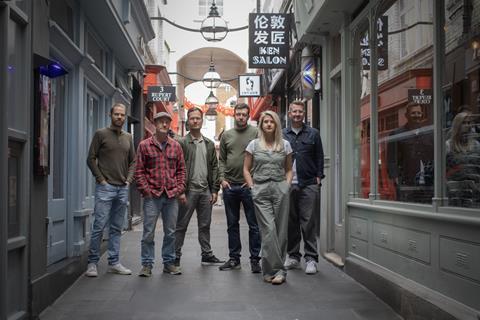
What does it take to run a successful VFX business in today’s day and age?
As we approach the one year milestone at JFX, we’ve reflected on where we came from and our onward journey. Starting the company was a moment of unique opportunity born of a devastating situation. It threw up the question to my co-founders and I: How can we do things differently? How do we build for the future? Whilst there is no definitive answer to the opening question, our situation did present some valuable lessons and intriguing possibilities. Step into the frame: Troubadour Studios.
When a mutual client on set at Troubadour’s studios in Brent Cross learned of the sad demise of Jellyfish Pictures, he connected founder Phil Dobree with Troubadour’s Head of Studios, Vince Woods. Looking to help seed fresh shoots from the rich legacy his company had achieved under his 25 years of stewardship, Phil posed to Vince the notion of starting a VFX company within Troubadour, by enlisting key members of the VFX leadership team. This immediately jived with the wider vision shared by Vince and Troubadour Theatres co-CEOs Tristan Baker and Olly Roids, and Jellyfish FX or JFX was born.
The Troubadour proposition was full of synergy, operating as they do in the live theatre space as well as housing film and TV studios for hire across North London. Starting a VFX studio might have seemed like an unlikely move for a company rooted in the physical world of performance and production, but it was in fact a very logical one, and it speaks to a shift that is reshaping the entire industry.
The way people are engaging with visual entertainment is changing. Audiences are demanding more immersive, spectacular experiences than ever before, whether that’s arena tours, virtual concerts, interactive theatre productions or large-scale live events. The bar for visual quality has risen dramatically, driven in no small part by what audiences now expect after years of high-end content on their screens. If you’re putting on a show in a 20,000-seat venue, the visuals on screen need to match the scale of the room. That means real-time graphics and production-grade VFX, skills that have traditionally lived firmly in the world of film and television.
This convergence of live and digital is driving a wave of VFX studios moving into the live entertainment space. This is recognition that the pipelines, talent and technology developed for film and TV are exactly what live events now require. Traditional film and TV are not going anywhere but they now form part of a much wider gamut of entertainment media, many of which combine across an IP. Troubadour’s decision to bring a VFX team in-house was about future-proofing a business that sits at the intersection of these two worlds.
For us at JFX, being born into this environment has shaped everything about how we operate. We knew from day one that we needed to keep things agile and lean. The old model; many fixed overheads, sprawling infrastructure and headcounts that ballooned, is under enormous pressure. What we’ve strived to build is a studio designed to scale intelligently. We’ve invested in cloud-based infrastructure and pipeline technology that allows us to expand rapidly when a project demands it and retract efficiently when things quieten. We carry a core of exceptional talent and supplement them with trusted artists and partners from a carefully accumulated network.
There is something genuinely liberating about building a VFX company from scratch. We were not burdened by legacy systems, outdated workflows or the inertia of ‘the way things have always been done.’ However, we needed to act quickly. Within six weeks of launching the studio, we were delivering final frames. We were under time pressure to ensure we maintained a high standard whilst as a team we made intentional decisions about every tool, every process, and every hire.
The broader conviction we took from our experience was that the companies in our space with the best chance of thriving are those that can adapt their structures as quickly as the technology and market demand. The VFX world has seen too many brilliant companies struggle not because of a lack of creative ability, but because of an inability to evolve their business model fast enough.
Troubadour buying a VFX studio, and JFX being born from the legacy of Jellyfish, are two sides of the same coin. They both represent an industry in motion, where the walls between live performance, film, TV and digital experience are breaking down. We think the studios that recognise this and position themselves at those intersections will be the ones telling the stories of tomorrow.
One year in, we are under no illusions about the scale of the challenge. We have much distance to run before we even try to answer that opening question. But we are energised by what we have already built and take confidence from doing things differently from day one. And thanks to Troubadour and Phil Dobree, we started with solid foundations. We are proud to have already delivered Kate Winslet’s directorial debut, Goodbye June, which dropped on Netflix at Christmas, as well as Ladies First, Secret Service and Good Girls Guide to Murder S2, which all dropped in May. With more projects coming throughout 2026 and beyond, a new internship initiative launched and a growing team, it has been a whirlwind first year, and we wouldn’t have it any other way.
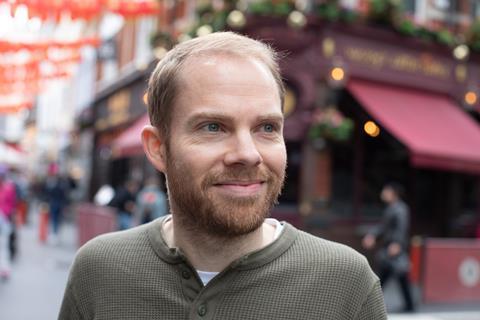
Phil Greenlow is co-founder and managing director of JFX

No comments yet