

Liam Camps at Woodcut Media reflects on facing a family health crisis mid-production and makes the case for a more open approach to mental health in post-production

An editor’s work life can seem a straightforward one. We get the rushes, put them together, trim the boring stuff, get it singing, get it dancing, get it delivered. In unscripted TV, it may be a bit more involved, with narrative problem-solving and archive budgetary constraints often unfamiliar to its scripted sibling. Even so, it can appear an uncomplicated, if not easy gig.
Under the surface there are immovable deadlines, imperfect rushes, and the heavy responsibility of helping to bring personal stories to a wider audience. Who would be an editor?
In the autumn of 2025, I found myself faced with uncertainty, worry, and sadness around a serious medical concern in my family. It felt like every moment of the day was too consumed with to be creative.
Those micro-decisions of editing – the wheres, the whats and the whys of each cut, the pacing, flair – it all went from second nature to the most difficult thing in the world.
That little self doubt that keeps every good editor motivated had grown to an annoying and nearly unmanageable colleague. There was a hyper-awareness around my distraction from the task at hand, which at the time was branding, editing, and colourising archive for the limited series The Race for Ancient Egypt in Colour (pictured above).
There was no shortage of work to be done, but equally little mental and emotional headroom to spare. This is not a woeful lament or a pseudo-therapeutic exercise, but an encouragement to engage head-on with these complexities, as an individual editor but also as a team.
When I was struggling, I was thankful to have a production team around me that I could share that vulnerability with. In turn they were able to offer the support and assurance I needed to get through that challenging time and produce honest and effective work.
Mental health in general has been the industry hot topic for some time now, and rightly so. Particularly with the continuing boom of true crime. At Woodcut, crime programming is also a staple in our production portfolio and it is difficult not to internalise and take home at least some of the darker elements of the stories we tell.
So we need to handle these narratives with care, considering the impact of details and imagery on the victims, survivors, and audience, but equally the stewards of that content – the editor.
I strongly believe in this as more than best practice, but the internal culture of a company, where besides team effort, care for individuals working on these types of shows is paramount, which is something I am glad to say Woodcut takes seriously.
The layout of our company is very intentional, to ensure that office-based editors sit alongside each other. Even for remote editors, we are always in close communication to share experience, skills and troubleshoot the technical and creative hurdles of the day. It is a shared experience of how to face and overcome a wide variety of difficulties within the edit and beyond.
In a more formal sense, senior staff check in monthly with junior editors and offers mentorship and access to confidential mental health first aid if needed. It feels like an important shift away from the stereotype of the lonesome sun-shy editor in their windowless cave.
There is still the personal responsibility of the edit, but the weight around is a shared responsibility.
Content aside, full-time creativity is exhausting. This is not the same exhaustion of working with numbers, code, or a more objective medium. The subjectivity of TV, with its array of editorial opinions, audience considerations and expectations at play, adds up to a greater sum than two plus two.
But it is a different, not greater weight. It is easy to get lost in the burdens of our day-to-day, especially in the crunching drive towards a deadline. Much discussion of mental health centres on balancing relaxation outside of the exhaustion of work, but we bring our own weight to the job too.
At the risk of veering to the pretentiously philosophical, we are human beings and that work/life balance is complex. Post-production should not feel like an island. It is not a remote endeavour, but one where the whole team benefits from staying engaged both creatively and editorially.
What we make every day is art, but fundamentally it is also work. And work will always be difficult on some level.
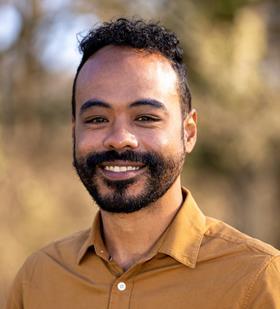
Liam Camps is lead editor at Woodcut Media



No comments yet