The future careers of ITN producers are being forged in the white heat of the coronavirus crisis, says David Stanley

Superlatives. They are the recurring benchmarks of our job. We tell the stories of the latest, the biggest, fastest, the worst and best, and yes, the deadliest.

For example, in my working life, every general election has been called the most important for a generation – each one more significant than the last and sometimes rightly so.

Many moons ago, when my time at ITN was beginning I had the privilege of working with men and women who talked of a different superlative in their careers – the greatest story since Jesus, they called it and they weren’t entirely joking.

To them, or some of them anyway, the first landing of a person on the moon in July 1969 was the greatest story for 2,000 years.

Now we are using much darker superlatives. As many people have pointed out, in the past month, we have reported on the gravest crisis to our country and perhaps to our world since the Second World War, something many of those senior colleagues I mentioned had lived through as children or even fought in.

It is tempting and understandable for us as journalists to believe we have reported on the best and worst of times – to claim some kind of ownership of that first draft of history. I have certainly succumbed to that temptation many times over the years.

I guess it began for me in the late 1980s when the UK was rocked by a series of disasters: the fires at Bradford City, Kings Cross and on the Pipa Alpha platform, and then Lockerbie and Hillsborough. I am not unusual in being able to say where I was when I first heard about them. For there I was at work.

I thought there could never be another time like this, but of course there was. The Gulf War followed and then in 1997 what I believed, at the time, would be the biggest news story of my life, to me anyway, the death of the easily most famous woman in the world, mother of a future king, in an easily preventable car crash in a dark Paris underpass. Four years after that came 9/11. Surely nothing could eclipse that?

However, coronavirus is here and we are only really just over a month in, in the UK. Beyond the loss of life, it is difficult to know how our world will change.

ITN newsroom

I hope and pray this is the biggest story any of us have to work on, whether we are experienced journalists or just starting out, and it is to my young colleagues that I want to pay tribute.

These are testing times for all of us. The subject matter is deeply distressing and it is relentless and it is likely to go on for weeks and even months. Day after day, scarcely believable numbers of dead are being recorded, involving individual accounts of loss and desperate scenes from inside our hospitals.

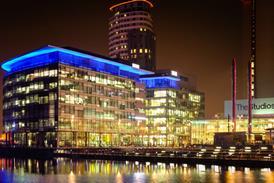
Inside the newsroom bunker, the environment in which we are working is unsettling, as we skirt around one another at a distance of two metres and look out over row upon row of empty desks. Nor can I get used to the atmosphere on the tube; it still feels surreal. Then there are all the concerns outside work.

Egos reined back

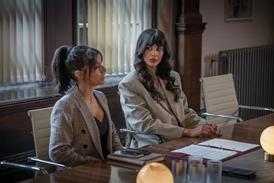
Yet in the ITV newsroom – as I am sure elsewhere in Gray’s Inn Road – the intense pressure of the work is producing incredible teamwork. Egos have, for the most part, been reined back and it is the younger members of those output teams who are accepting and absorbing at least their fair share of that pressure, if not more.

In those first few days and evenings, when numbers in the ITV newsroom were suddenly and drastically reduced, before the new routines had taken shape, my young producer colleagues were red-faced and dry mouthed with concentration, adrenalin and sheer effort, trying to keep programmes on air.

That pressure is still there. It comes, in part, from the way we are being organised: fewer producers and editors working on our programmes and working with reporters, longer and tougher shifts, remote working; all part of management’s understandable efforts to reduce the numbers in the building.

Therefore, young producers are making judgements on really sensitive matters, in the kind of decisions they would probably not expect to be making at this stage in their careers. Yet they are doing so with great skill, accuracy, calmness, patience and good nature.

They may not realise it yet but their talents and indeed their future careers are being forged in the white heat of this crisis. They have the confidence of young adulthood to carry them through what are shocking events.

Some will find it tougher than others, but when, in years to come, they reflect on their part in covering coronavirus, they will I hope realise that in the worst of situations their effort and their work were worthy of all sorts of superlatives.

  • David Stanley is a writer for News at Ten