

Delegates at Australian conference discuss models and money as media landscape shifts
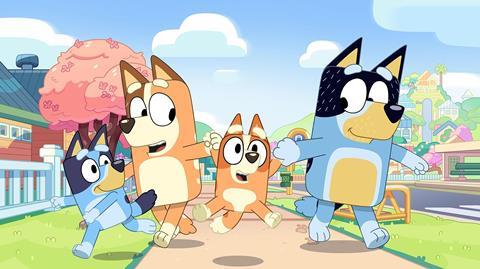
IP retention, coproductions and financing were among the main topics under discussion at Australia’s Screen Forever last week, as producers and commissioners look to adapt to a rapidly changing ecosystem.
The event, which brings together the Australian film and TV community, was celebrating its 40th anniversary this year and many execs descended on the Gold Coast keen to talk up attempts by the industry to back itself by retaining more rights, formats and creatives.
However, the financial reality of the landscape was also in evidence, with co-productions and financial worries dominating conversations just as much.
Bluey and IP retention
Discussion of ABC managing director Hugh Marks led day one and loomed large over the conference. Marks set out a stall in which he wants the ABC to move quicker and take more financial risks in programming in order to allow the Australian industry to reap the benefits.
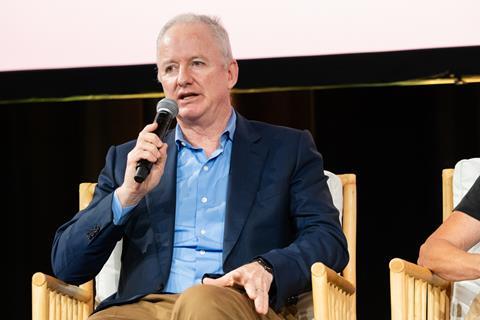
His comments followed an interview with local trade title IF Magazine ahead of Screen Forever - later backed up during the conference itself - in which the ABC’s hit animation Bluey was explored.
Marks did not shy away from the fact that the agreement between ABC and BBC Studios - which saw BBCS taking merchandising and global distribution rights in exchange for 30% of the budget - has seen Australia licensing one of its biggest exports to a third party.
Other sessions also locked into this concern, with much of the unscripted commissioning panel being used to talk up how the sector approaches formats.
Financing & copros
Despite the ABC reassuring delegates that it would embrace more risk and invest at speed, the connected issues of money, affordability and co-productions loomed large over the conference.
One service provider said that she was asking every producer she met what their biggest concern was. The response? Money and finance.
“And when I ask them if there’s anything else, they don’t have an answer,” she added.
Meanwhile, producer of Stuff the British Stole Michael Tear, had sage advice for those thinking of a co-production as the answer to a larger budget.
“Everyone wants something big and ambitious, but not to pay the full price,” he told delegates during a co-production focused session.
“[Broadcasters] talk about co-productions and say they want to do it, but when it comes to it, it’s not easy and requires a huge level of will power commitment from the broadcaster. It’s hard for them and we should be aware that not everything suits [the model].”
Stuff the British Stole was a co-production between Australia’s ABC and Canada’s CBC for its first and second series, but will be an ABC original for it’s third, highlighting Tear’s first-hand experience with the model.
Producer Patrick Egerton also reflected on the model used for his kids show Flower and Flour, with the ABC coproducing alongside Canadian trio TVOkids, Knowledge Kids and Radio-Canada. “You don’t choose to do a treaty co-production, you do it out of necessity,” he concluded.






No comments yet