

Sam Talbot, creative director and co-founder of Strike, speaks to the Broadcast Sport Podcast about reaching younger audiences with sport
YouTube and other distribution options need to be equally considered when making content for younger audiences, believes Strike co-founder and creative director Sam Talbot.
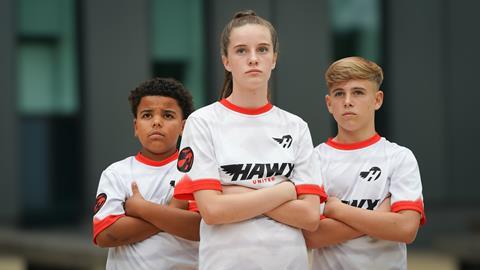
Talbot and Strike are the production company behind CBBC and Cbeebies football shows Jamie Johnson FC and Football Fantastics, which also find traction on digital platforms through clips and other highlights. The Jamie Johnson FC cast also did a watchalong for England v Ghana during the World Cup, which was available on iPlayer.
On the latest episode of the Broadcast Sport Podcast, Talbot spoke about how creatives need to be thinking about the distribution of their content right from the start of their process: “Both [YouTube and linear] belong together now. It starts with the creative. At the beginning, is YouTube part of the creative idea from day one, or is it just a marketing plan bolted onto the end? Are you making something built for two-minute bursts or are you asking your child to invest in a 30-minute story?”
You can listen to the full episode below, where Talbot also discusses the kinds of content that work best with younger audiences, how to create a lasting impression with that content, the potential impact of a social media ban for under-16s, and more.
Talbot continued, “Those are the questions you should start with and that’s how you develop your content. We know from our audience, kids are still watching 30 minutes but equally they’re on YouTube Shorts.
“What excites us is we can now tell stories in more ways and reach kids how they’ve never been reached before. It pushes us to experiment, to try new formats, and it gives the good ideas more chances to be found.”
When it comes to bringing these considerations into the creative process, Talbot believes it can be done naturally despite the differences in how the content will be consumed. He noted, “When you’ve got a slightly longer episode it’s going to have a different rhythm to it, but that’s not to say in the back of your head that you know there’s certain key moments, or there’s hooks.”
However, he added, “I don’t think you have to think like that as a writer, but I think if it’s good writing and it’s really driving along with a lot of emotion, it’s always been very clippable.”
You can listen to the rest of the episode below, as well as all other episodes of the Broadcast Sport Podcast, which is available across Spotify, Apple Podcasts, and all other major podcast platforms.






No comments yet