

The Krotos Studio update uses AI-assisted visual analysis to automatically sync footstep and cloth movement sounds to picture
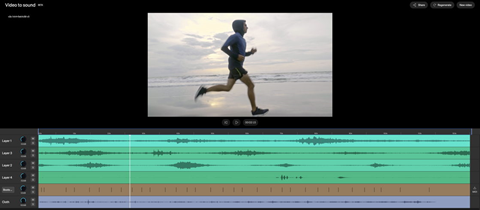
Krotos has added automatic footsteps and cloth Foley to its Video to Sound features, which are available in Krotos Studio.
Video to Sound uses AI-assisted visual analysis to interpret movement, pacing, and scene context, automatically placing realistic footsteps and cloth sounds in sync with the picture while preserving creative control for refinement in a DAW or NLE.
Traditionally, syncing footsteps and cloth movement to picture has required painstaking manual work, says Krotos, lining up individual sounds and adjusting timing as edits change.
With Video to Sound footsteps, users can quickly apply realistic footstep sounds that follow on-screen movement without manual syncing.
To use the feature, you select the appropriate walking surface — such as tile, gravel, or wood — and the system applies professionally recorded footstep sounds that match the pacing and action of the scene.
The footstep performances can also be exported as MIDI, making it possible to refine timing or integrate them into Krotos Studio or a broader DAW-based workflow.
Meanwhile, automatic cloth Foley analyses motion and changes in movement, and Video to Sound applies context-aware cloth sounds that reflect subtle shifts, turns, and layered action in a single pass.
You can audition and balance individual layers in the browser before exporting them for use in a DAW or NLE.
Video to Sound is available now as part of Krotos Studio. Krotos Studio Max users can upload videos up to 10 minutes in length and process up to 200 videos per month. Krotos says uploaded videos are not used for AI training purposes.



No comments yet