












“There are many elements of this excellent series that parallel The Wire”
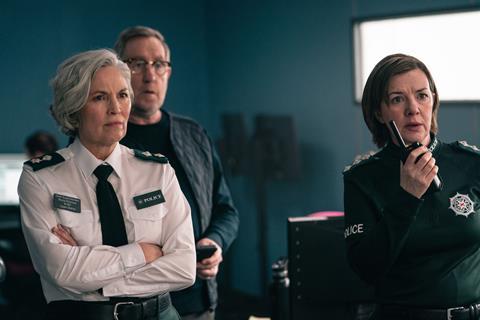
Blue Lights, BBC1
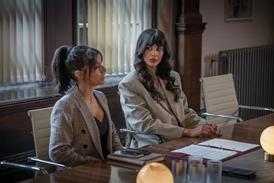
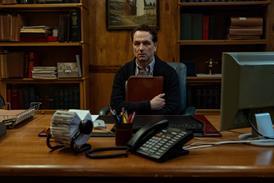
“Blue Lights has always been a very modern cop drama. Its tales of everyday callouts, fractious office relationships and complex long-term efforts to smash organised crime have all played out against the backdrop of post-Troubles Belfast, where lingering sectarian resentments make enforcing the law even harder than it is in the rest of austerity-era UK. But it’s never been explicitly topical: it’s never felt as if it is reading today’s national news headlines with the same appalled gaze as the rest of us. Until now. Our fourth visit to Blackthorn station pitches us and the police into a race riot. A centre offering support and resources to refugees is hosting a fete, which is a positive contribution to the area for those open to it: station sergeant and amateur baker Stevie (Martin McCann) marvels at the texture of Syrian pastry at an event that has been allocated minimal police presence. Minutes later, the whole squad has rushed to the scene to hold a line against an angry mob who want immigrants out of Northern Ireland. Bricks fly. Lives are in danger.”
Jack Seale, The Guardian
“The virtues that have made Blue Lights (BBC1) stand out from the usual cop drama murk like a Belisha beacon in a foggy field include a) its lack of police procedural cliché, b) the absence of cheesy dialogue, c) the close attention to small, almost banal detail and d) its vivid, often suffocating sense of realism. It’s hard to sustain those qualities time after time, but within minutes of the first episode of the fourth series it was showing its class again when a protest against asylum seekers in Belfast turned horribly violent. Declan Lawn and Adam Patterson’s script must surely have been written before the riots in Belfast less than four months ago, in which homes and vehicles were set alight and rioters tried to identify houses occupied by immigrants. So the fact an anti-immigration riot and an attack on the home of a female Syrian refugee was the main driver of the very first event of the series feels prescient.”
Carol Midgley, The Times
“There are many elements of this excellent series that parallel The Wire, the HBO crime drama that often comes out top of the all-time TV rankings. Both series were written by local journalists, who took their local beat (David Simon’s Baltimore; Lawn and Patterson’s Belfast) and, with great love and due care, picked apart what has gone wrong. They have reached similar conclusions – that it is self-serving systems and hierarchies, chains of command and institutional corruption that ultimately lead to blighted lives and dead-end streets.”
Benji Wilson, Telegraph
The Great British Bake Off, Channel 4
“Asked how they were going to select a winner, he grinned and said, ‘Probably an arm wrestle.’ Nigella thrummed with pleasure. At last he was speaking her language. ‘You know I’d win,’ she purred. ‘I know,’ he said, giving the pot another stir. ‘I’d let you win.’ Bells clanged. Sirens blared. Klaxons wailed. The needles of Bake Off’s finely tuned innuendo sensors, built to detect the slightest suggestion of hidden meanings, were now off the scale. ‘Listen,’ growled the Domestic Goddess, ‘I’m the one who lifts weights. You’re just sitting around. I wouldn’t pick a fight with me.’ That was a deliberate challenge to his masculinity, and a professional flirt like Nigella knows there’s no surer way to get a man like Paul on his mettle.”
Christopher Stevens, Daily Mail
“We’re into episode two of the competition, which is Biscuit Week. Nigella and Paul Hollywood are already a formidable double act. When they joke about settling an argument with an arm wrestle, Nigella says: “You know I’d win. I’m the one who lifts weights, you’re just sitting around. I wouldn’t pick a fight with me.” Paul concurs. Presenters Allison Hammond and Noel Fielding are still doing their thing, which is to say honking enthusiasm (her) and Goth whimsy (him), and they like to laugh at each other’s jokes. Now that they, and the viewers, have become accustomed to the dazzle of Nigella’s presence, it’s time to concentrate on the contestants.”
Anita Singh, Telegraph





No comments yet