




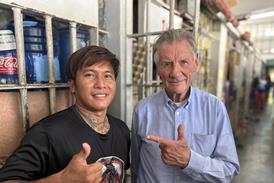
“It does a wonderful, if markedly unsentimental, job of illuminating the transformative power of reading”
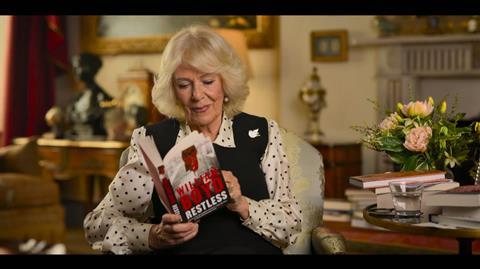
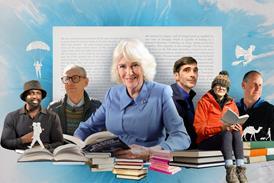
“There is much to divert and – somehow, even in this godforsaken year of 2026 – uplift us in The Book That Changed My Life. Made by the BBC in partnership with the Open University and in collaboration with the Queen’s Reading Room to mark the close of the National Year of Reading, it does a wonderful, if markedly unsentimental, job of illuminating the transformative power of reading. This kind of thing can easily become an emetic horror, but here the stories told by people of coming across, in extremis, books they credit with changing, and in some cases even saving, their lives are told so honestly that all the usual tonal traps for heffalumps remain resolutely undisturbed.”
Lucy Mangan, The Guardian
“Thoughtful and intelligent, the documentary, marking the National Year of Reading, brimmed with enthusiasm, not to mention juicy titbits about Queen Camilla’s reading habits. She said that because she left school at a relatively young age (16), most of her education came from reading. As a teenager she read the controversial Lady Chatterley’s Lover by torchlight under the blankets (presumably looking for the mucky bits like everyone else). She was “obsessed by the guillotine” and the tricoteuse, and loved reading The Scarlet Pimpernel. She was holding William Boyd’s Restless, but said her father Major Bruce Shand’s memoir Previous Engagements about his time as a prisoner of war in Germany during the Second World War had made her cry because he had never spoken about the war to her. She said that “if there’s no reading, personally I think we might as well all give up because I don’t think we’d even be human any longer”.”
Carol Midgley, The Times
“The Book That Changed My Life was in theory about, well, how books can change people’s lives. But the books were actually less interesting here than glimpses into the lives of the people who’ve been reading them. There was lorry driver Peter, who couldn’t read, which made every trip to Tesco an ordeal. Now, a copy of Harry Potter rarely leaves his side. Then there was Omar, who at seven years old suffered a massive electric shock while crossing a railway line. He couldn’t concentrate at school, and turned to crime instead. ‘I embraced being a criminal,’ he admitted. ‘I prided myself at not setting the alarm off.’ He wasn’t a very good criminal, though, because it was in a young offenders’ institution that he first discovered books. There was a copy of Jack Higgins’s thriller The Eagle Has Landed in his cell. As he had nothing else to do, he decided to read it.”
Roland White, Daily Mail
“Various people, most of them young, popped up through the programme to say how much they love reading. This jollied things along, but who were they and how were they were chosen to appear? It was never explained. Some were quirky, like the guy in the bucket hat who, for some reason, chose a collection of DH Lawrence novellas as the first book he ever read, and who found out the authors he liked were dead only “when I tried to email Oscar Wilde, googled him and realised he died 100 years before”. But others merely offer vague aphorisms such as “there is truly nothing in this world like reading” or “it’s pure escapism”. We can do better than this, BBC. Although I was mildly fascinated by the woman who recalled whipping out a book at a wedding. “In my defence, the bride was late.””
Anita Singh, Telegraph


No comments yet