BBC disinformation correspondent says ‘squeamishness’ over covering unpalatable views can make things worse

marianna spring

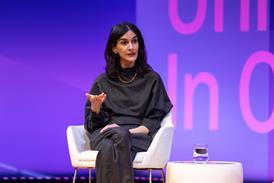
The BBC’s disinformation correspondent has said that the BBC’s due impartiality policy is “incredibly helpful” for exposing disinformation and helping victims.

Appearing before the DCMS Committee, Marianna Spring refuted suggestion of acting chair Damian Green that the need to present two different sides of a story - including the views of people who believe in disinformation - might be in conflict with her mandate to report impartially.

“I’ve found impartiality incredibly helpful with the work I do,” she said. “It’s not about giving equal weight to views where one is false and one is true; it’s about looking at the facts and understanding why some people are pushing an idea that is misleading or counter to the evidence.

“I strongly believe it’s important to hear from people and understand how they have arrived at the point.”

She cited her October Panorama doc and BBC Sounds podcast Disaster Trolls, in which she investigated conspiracy theorists who target terror attack survivors, claiming they are ‘crisis actors’ pretending to be injured. In this case, because the survivors were so obviously telling the truth, the aim was purely to understand why some people have these differing views of them.

“When you apply the principle of due impartiality, you are able to really expose harmful mistruths and the impact they have,” she said.

Spring added that Disaster Trolls had a “very positive” impact because the survivors are receiving less abuse and feel like the problem is being listened to by the public, political figures and social media companies. Additionally, legal action is being taken against some of the disaster trolls themselves.

Challenged on whether it is appropriate to give conspiracy theorists like Richard D Hall airtime to spread their mistruths, Spring said that, while the BBC considers each case carefully, if they have enough reach and their impact is harmful, investigating them can help counter the damage they do.

Hall’s reach has “significantly reduced” as a result of the investigation, with YouTube removing his channel.

“It’s a squeamishness to cover this stuff that often can contribute to the problem,” she said.

“If we cover it responsibly, making sure we centre it in the harm it causes and certainly in survivors’ testimony, investigations can be responsible and appropriate.”

TikTok

Elswhere, Spring suggested that the spread of disinformation around live news stories on TikTok is a particular problem, pointing to the recent “frenzy” of content around the disappearance of Niocla Bulley.

“There are specific platforms that played a big role in that [frenzy] and we found that TikTok’s algorithm in particular appeared to be pushing a lot of this content to a huge number of people,” she said.

“Understanding the way the algorithm affects people is a crucial next step when we think about the real world harm of disinformation and hate.”