

Former C4 boss and Riches exec Nadine Marsh-Edwards discuss evolving medium’s shortcomings and opportunities for representation
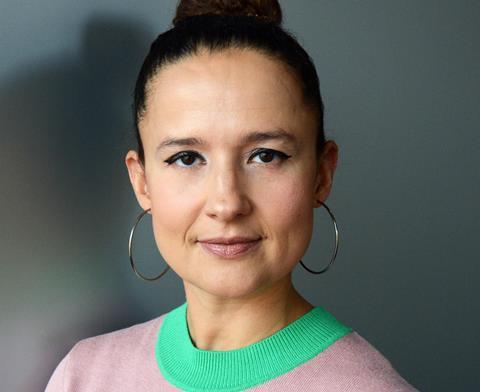
Vertical dramas could replace soaps as the training ground for new talent, according to former Channel 4 drama boss Caroline Hollick.
Speaking at Series Mania in Lille yesterday, Hollick argued that cheaper-to-produce vertical dramas could offer a more accessible route in for up-and-coming writers as returning dramas and soaps become a “smaller part of the landscape, but still a very important one”.
“Vertical drama can become that engine, if we start to fund it properly, oversee it properly and make sure there are people with expertise supporting people,” she told delegates at the Women & Representation in the AI / Microdrama Age: The return of stereotypes panel.
Greenacre Films co-founder and Riches exec Nadine Marsh-Edwards echoed Hollick’s sentiments, arguing the industry should “see them [microdramas] as an opportunity”. She also called for funding opportunities, noting that “so far I haven’t seen any of that money go towards this type of storytelling” in the UK.
“I think that could be a really interesting way to get new people coming into the industry, telling different types of stories in different ways, but also being quite aware and more responsible about what those stories are and what the representation is,” she added.
Elsewhere on the panel, both execs voiced concerns about declining representation for women and people of colour in both new and legacy media.
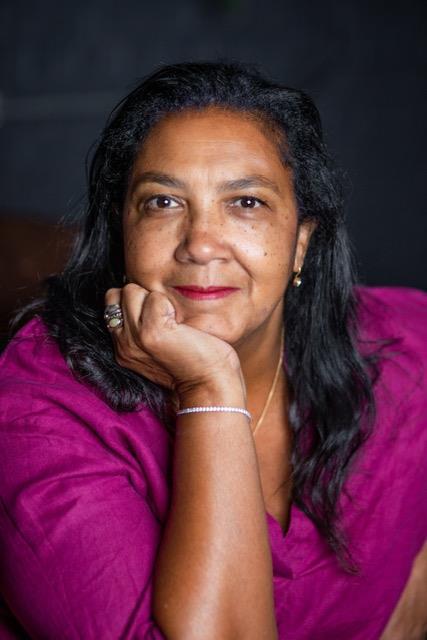
Marsh-Edwards urged that “we have to be very vigilant about what is going on as programme makers” in terms of representation, particularly for Black, female creatives.
“We thought we’d done it, and then along came the microdramas,” she said. “There must be ways to make interventions, so that the stories we’re telling are more than ‘can I give myself to this gangster for $100,000 to pay my dad’s medical bills’.
“I’m worried that what [young women] are seeing [in some of these microdramas] is reinforcing something very much in the air at the moment: men trying to reclaim a power back from centuries ago.
“At the moment I’m seeing more minuses, but I’m optimistic and hopeful that people start to ask questions of the platforms and the people who are making them.
“People have to learn a trade, so if you get newer talent coming through, maybe working with more experienced talent, and putting those two skills together, we might end up with something that’s really quite exciting. Something that really stretches the boundaries.”
While admitting representation has a long way to go, Hollick said microdramas are evolving to be more representative at a faster rate than other genres, such as horror, did.
She expressed greater concern with high-end TV, where the aversion to risk in the current market meant commissioners are “going backwards”, working with established creatives which tend to be “white, middle-class men”.
“It’s on the gatekeepers to stay vigilant,” she warned, because “cultural stereotypes can be maintained at every level”.






No comments yet