

Passion Distribution’s sales chief Nick Tanner on the ‘worrying trend’ of buyers applying leverage on their suppliers
As buyers descend on the UK capital for Showcase, London TV Screenings and Mip London this week, Broadcast International speaks to Nick Tanner, director of sales and co-productions, about the key trends and challenges facing the business.
What was the single biggest challenge for your business in 2025?
Shrinking budgets across the TV sector has significantly affected the availability of quality content to support, develop and distribute.
What are your top three growth priorities for 2026?
1. Turbo charge the growth of our digital content and distribution business and explore the intersection with longform projects.
2. Passion is a successful formats house and a genuine alternative for producers to the big groups and studios. 2026’s focus and beyond is continuing to build our portfolio of worldclass formats, add value to IP and return sustainable revenues to our creative partners.
3. Laser focus on delivering TV products that align strongly with our clients’ requirements in key genres such as documentary, factual entertainment, lifestyle and reality competition.
Streamers have struck some eye-catching deals directly with YouTube creators over the past year. What do you make of this trend and do you see it impacting your business?

It’s inevitable that all TV platforms want a piece of the You Tube talent pie. I suspect mixed results as ultimately You Tube talent already has their homebase so why dilute that for fans? There will be exceptions, brands like The Grand Tour might have enough gravity for it to work. Simultaneously, broadcast commissioners will increase the onus on established talent to help retain audiences and exercise caution about blooding new talent.
Broadcaster-streamer IP pacts have also become popular across Europe, in particular the TF1/Netflix deal starting this summer. How will such arrangements affect your business; will we see a similar deal in the UK; and, what do they mean for the future of second windows?
An enormous strength of the UK sector is that IP resides with the creator and therefore the creator’s influence over secondary exploitation is powerful. Worryingly, I can see broadcasters seeking workarounds for terms of trade and applying leverage to their suppliers to make the broadcaster/streamer dovetail work out. Ultimately, value can be derived from all IP and all publishers should pay the creator for the privilege to use it!
What impact will the WBD-Netflix deal have on your business and the wider industry, if it goes ahead?
The loss of a global, and importantly regional, buyer and commissioner of content is potentially problematic for many. It is likely to create more competition for fewer opportunities resulting in downward pressure on content value across acquisitions and production budgets.
How will Channel 4’s nascent in-house production (and IP ownership) strategy affect your business and the broader distribution sector?
In 2026 the TV world is very different to when Channel 4 was created, so I understand it must evolve. C4 will no doubt continue to seek creative collaboration with independents, though the in-house production strategy certainly undermines the bedrock principle of supporting UK creators. Further, it will styme the availability of world-renowned British content on the international open market.
If we gave you £2m to invest in a show of your choice with a view to getting the biggest returns within five years, what kind of show would it be?
A scalable competition format.
Tell us about your key title for LTVS and what makes it stand out?
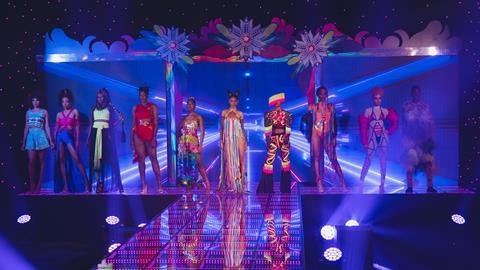
Carnival Catwalk is a groundbreaking reality TV competition that merges two bright and vibrant worlds. Ten talented designers from diverse backgrounds compete and push their creativity, skill and flair to the limit to create jaw-dropping designs that blend the celebration of Carnival with the glamour of the runway.





No comments yet