Netflix’s Alice Dill and Audible’s Lydia Shamah reveal what they look for when commissioning book adaptations
From The Sandman and Bridgerton to House Of The Dragon and The Last Of Us, some of the most popular shows in the past few years have been based on pre-existing intellectual property (IP).
According to data collected by Broadcast Intelligence’s Commissioner Index, 60% of HBO and HBO Max commissions so far this year have been adaptations, including Welcome To Derry, a prequel to Stephen King’s novel It. Over at Amazon Prime Video, three drama commissions this year so far have been based on novels.

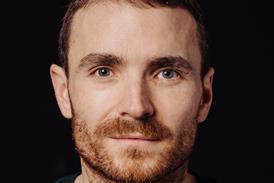
“Many books come with a preexisting audience and an adaptation, in some ways, can guarantee a percentage of that reading audience will watch,” says Netflix manager of books and IP scouting Alice Dill.
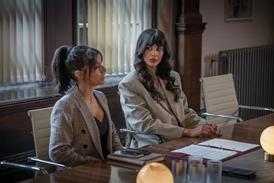
The SVoD giant has been behind adaptations of Heartstopper, The Queen’s Gambit and Lupin, as well as upcoming drama Damage, based on Josephine Hart’s 1991 novel. It’s clear there are benefits to ordering a series based on a story with a pre-existing fanbase, but what is it that commissioners are looking for when scouting for IP?
“First of all, we look for amazing stories that our members can’t help but want to immerse themselves in,” says Dill. “We also try to look flexibly at IP that may live outside of the traditional publishing pipeline, such as Dirty John, which began as a podcast.”
However, while having an established fanbase has its advantages, there are challenges when dealing with audience expectations. As well as identifying which aspects of the story will translate well on screen, there is the task of deciding whether to stay faithful to the IP or reimagine it.
“Sometimes staying faithful to the text works really well, like with The Sandman, but sometimes reimagining it does, like with Lupin. All of these things are within the context of having the greatest respect for the author and their work,” Dill explains.

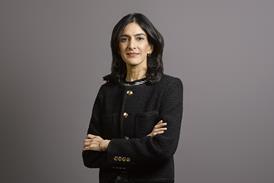
Audible director of original content Lydia Shamah similarly notes the difficulties of adaptation when it comes to podcasts. The Amazon-owned audio book and podcast service has enjoyed particular success with its retellings of classic stories.
“We love putting twists on classic stories, like Charles Dickens and JRR Tolkien,” she says. “When you’re lacking the visuals, you need to convey so much more with the dialogue, so things will inevitably have to be changed.”
While change may be surprising or even slightly upsetting to dedicated fans, it’s important to Dill that adaptations are not merely telling the exact same story as the original source.
“One thing we always ask ourselves is, ‘What can we tell through adaptation that hasn’t already been told?’ We are looking for IP that we can expand on or show a different side to,” she says.
Shamah also emphasises the need to experiment with the source material and says the service tends to combine original storytelling with A-list talent to “give members the confidence to listen”.
Audible has worked with the likes of Brian Cox, Daniel Kaluuya, Nicola Coughlan and Andy Serkis to breathe life into older stories, such as Oliver Twist and The Fellowship Of The Ring.
Netflix’s Dill says that reinvigorating stories is one of the key benefits of adaptation. “We’ve seen time and time again that an adaptation can bring a new lease of life to stories that have been around for a while.”


No comments yet