

Alex Coumailleau, head of marketing at Engage Digital Partners, looks at how the World Fencing League reached new audiences
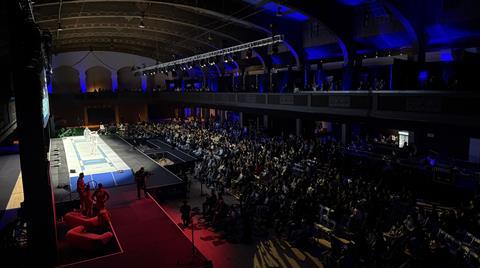
The World Fencing League sold out its first ever event in Los Angeles despite starting without an established fanbase or mainstream profile. This was a brand-new competition that barely anyone had heard of six months earlier.
That should get the attention of anyone running a sports property or live event right now. The WFL filled an iconic Shrine venue (home of the Oscars) without relying on generations of loyalty or a huge pool of existing fans. Many of the people buying tickets had never watched a fencing bout in their lives.
Sell the moment, not the sport
When the WFL came to market, the challenge was simple: make a genuinely new event feel worth turning up for.
Existing behind-the-scenes and organic content was repackaged around the event itself, with lines such as ‘Don’t Miss History’, ‘One Week to Go’ and ‘Tickets on Sale Now’.
The strongest-performing creative was our countdown ad. There was no lengthy case for why fencing deserved people’s attention. It gave them a date, a sense that something was happening and a reason to act before they missed it.
People rarely need to understand every part of a sport before deciding they fancy a night out. Sometimes too much explanation just gives them more work to do.
Look beyond people who already call themselves fans
Every established sport eventually runs into the same problem: there are only so many loyal fans to keep marketing to.
Growth means finding people who might never describe themselves as supporters of the sport. They might still buy a ticket because the event looks good, their friends are going or they simply want something different to do.
For the WFL, that meant looking beyond core fencing audiences. The campaign targeted general eventgoers and broader interest-based groups rather than assuming the likeliest buyers would already have an affinity with fencing.
That broader audience became the best-performing segment. It generated 40% of all purchases from 20% of impressions, making it nearly five times more efficient than narrower targeting.
The demographic results were even more revealing. People aged 55 and over received just 14% of impressions but drove 34% of results, converting at four times the rate of 25 to 34-year-olds. Women accounted for 62% of purchases despite receiving fewer impressions than men.
Keep spending against the audience you expect to buy and you may never discover the people who actually would.
The experience has to earn the ticket price
For casual fans, the action on the field or court is only part of what they are paying for.
The Australian Open has pushed this further than most. Roughly 90% of people who buy a ground pass are not there primarily for the tennis. They come for the atmosphere, the DJs and big screens, then spend the day with friends.
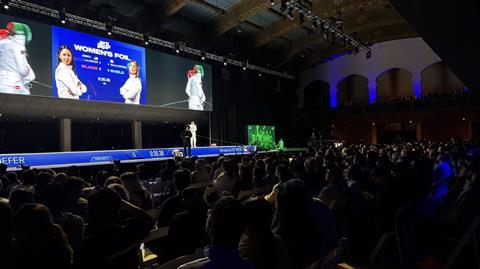
That thinking also shaped the WFL product. Its blade-tracking visual system helped first-time viewers follow the action without needing an existing knowledge of fencing. Someone watching at home could understand more of what was happening and had a better chance of staying interested.
This becomes harder to ignore as ticket prices rise. A fixture can be technically brilliant and still struggle to attract new people if the wider experience feels thin. Fans are comparing the cost with every other way they could spend that evening.
Pay attention to the people who nearly bought
One of the most valuable outcomes from the WFL campaign appeared after the ticket sales were counted.
The campaign created a remarketing pool of more than 368,000 people who had watched video content, engaged with posts or visited the league website. That warm audience was more than 2,500 times larger than the ticket purchasers base, all captured before the first event had taken place.
Some were curious but not ready to buy. Others may have been in the wrong city or simply missed the timing. The league now knows who they are and can build from there.
For a new sports property, that gives the second event a very different starting point. There is already an audience to speak to and a much clearer sense of who responds.
What it means for sports and live events
The interesting part of the WFL story is not simply that this pilot event sold out.
What stands out is how little of that success depended on people who already loved fencing. The campaign found new fans in places the obvious targeting assumptions might have missed, while the event itself was designed to make sense to newcomers once they arrived.
Heritage still has enormous value in sport, but it can also make organisations lazy about growth. The WFL had no such luxury. It had to make people care from a standing start.
More sports properties could probably do with asking themselves how they would market an event if nobody already knew they were supposed to love it.

Alex Coumailleau is head of marketing at Engage Digital Partners



No comments yet