

Matt Kyle, head of insights at Engage Digital Partners, looks at how football clubs can attract supporters who ahve more than one side
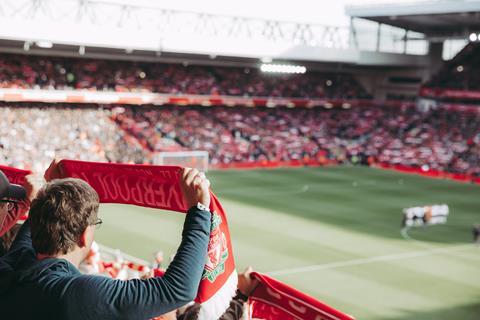
Every World Cup, I end up supporting a second team.
It usually happens by accident. You watch a country you know very little about, get drawn into the story and then find yourself checking who they could face next. This summer, Cape Verde became a good example. On their World Cup debut, they reached the Round of 32 before losing 3-2 to Argentina, earning a wildly celebrated homecoming after a run that had travelled well beyond their existing fanbase.
Nobody finds this strange during a tournament. We accept that fans can care about another team, especially when a good underdog story gives them a reason to.
Club football is full of the same behaviour, but the industry still talks about loyalty as though every supporter signs an emotional exclusivity clause at the age of seven.
“The Rise of the ‘Second Club Fan’: How rights holders can understand, win and monetise multi-club fandom”, our new research with MTM, found that 80% of global football fans follow a second club. Only 14% claim to support one club. You can read the report for free here.
That is a sizeable gap between the story football tells about fandom and how people actually behave.
Your first club gets special treatment
Primary fandom often arrives before we have much say in it. Family can decide it, or the place you grow up. Sometimes one team simply catches you at the right age and you are stuck rearranging weekends around them for the next 40 years.
Our report found that first clubs are most often adopted in childhood, while second club fandom tends to develop later, often during the teenage years or adulthood.
That makes second club relationships different. A club might enter someone’s life after they move abroad and start going to local matches. It can grow around a player they have followed for years.
For instance, my first club is Arsenal, and this relationship has its roots in family; my mum and her siblings grew up in Archway in North London, down the road from both Highbury and the Emirates stadium. My second club is also located in the north, but this time in the north of Spain. I’ve had an affinity for Athletic Club (often referred to as ‘Athletic Bilbao’ or simply ‘Bilbao’ in the UK) since my teenage years, influenced by learning about the club’s strong identity and values. They only recruit players who were either born in the Basque Country or have direct links to the region - something that is rare to see in today’s truly global game.
None of this makes the attachment inauthentic. It was simply chosen under different circumstances.
The old model of loyalty struggles with that because it assumes depth comes from exclusivity. Fans themselves seem much less bothered. They can know exactly where their deepest allegiance sits and still care about another club.
Second does not mean casual
This is where the commercial opportunity gets missed.
Second club fans are already behaving like first club fans, just at a lower tier. The research shows they regularly watch matches and highlights, while many follow the club or its players on social. Some buy merchandise despite having no local tie. Remember, everyone wanted a 2014 Colombia kit after that 2014 World Cup! Engagement is lower than with a primary club, which is hardly a shock, but it remains substantial across the behaviours measured in the report.
The report also puts average annual fan spend at €200. For rights holders looking at international growth, that should make second club fandom hard to dismiss as a bit of harmless flirting.
There is something odd about celebrating follower growth in another market while quietly treating the people behind it as less valuable because they support a local club too. Most global growth strategies depend on exactly this kind of fan to enter new markets.
A supporter in the US does not need to abandon the team they grew up with before buying your shirt. Football has spent years making itself easier to access across borders. Multi-club fandom is a fairly predictable result.
The World Cup makes the behaviour obvious
Major tournaments compress this whole process into a few weeks and make it highly visible.
The research found that 42% of fans see major tournaments, including the FIFA World Cup, as global entry points into fandom. Cape Verde’s run showed the pull of that brilliantly. Their debut campaign ended against Argentina in the Round of 32, but only after they had become one of the tournament’s standout underdog stories.
For a few weeks, neutrals had a reason to care. That is how plenty of second-team relationships begin.
Club football creates the same openings over a longer period. The initial reason for entering the fandom can be fairly flimsy. The attachment does not have to stay that way.
Too many rights holders still treat these moments as temporary attention. Once someone has shown enough interest to follow or watch regularly, the club has something to work with and should seize it.
Clubs need to compete for the second slot
The 80% figure should force a rethink of what club growth actually looks like.
Most football fans are already open to caring about another club. Rights holders need to understand why that interest appeared and give it somewhere to go. Someone who arrives through a player will have a different relationship with the club from a fan who discovers it after moving abroad, and clubs need to pay attention to that context.
This does not require weakening the bond with lifelong supporters. Primary fandom remains the emotional centre of football for millions of people.
But exclusivity is a poor test of whether someone matters. Second club fans are already watching and spending. They are also far more common than the old one-club-for-life story suggests.
Football fans have moved on. Clubs should probably stop making them feel guilty about it.

Matt Kyle is head of insights at Engage Digital Partners



No comments yet