

Studio Secret Cinema’s Dean Rodgers believes immersive experiences are a missed opportunity for some older sports
Mainstream sport has never been short on entertainment. Tennis, horse racing, football and cricket have kept people hooked for generations, in some cases centuries. However, in that time, while the games have remained largely unchanged, the way younger audiences expect to discover and connect with them has evolved.
Younger audiences crave entertainment that is 360 degrees, from social media, vlogs, streaming and video games. They want storylines, personality and reasons to feel invested.
The age-old tradition of fathers passing an interest down to their sons is dead. In recent years we’ve seen a concerted - and successful - effort to modernise the way people of any age, gender and background engage with some sports, but this has yet to fully infiltrate every sport.
Why legacy sports have the biggest mountain to climb
Take horse racing. It is one of the richest worlds in sport: the horses, the jockeys, the fashion, and deep historical roots that stretch back for centuries, and, of course, the temptation to have a flutter. Like many heritage sports, a large share of its most engaged fans are older, and there is a constant question about how successfully the sport is bringing through the next generation of spectators and participants. There are loyal fans who know exactly what to look for, but a younger audience arriving fresh can still see the sport as something exclusive or too closely tied to betting.
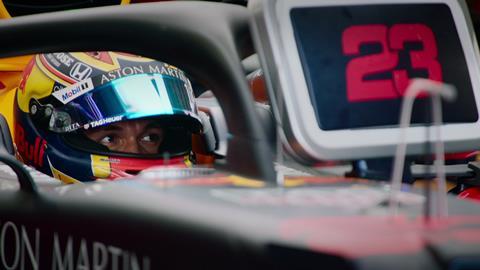
Not too long ago the same could be said of Formula 1. It was once perceived by younger audiences as a technical, expensive and hard-to-access sport. Ever since the acquisition of the Formula 1 franchise by Liberty Media in 2017, and the roaring success of the hit Netflix documentary Drive To Survive, the sport has shown what can happen when a legacy sport opens up the world around the event beyond race day itself.
How did F1 manage to transform into a culturally relevant, commercially powerful, and genuinely “cool” global empire?
Part of the shift was driven by F1 behaving more like an entertainment world people can enter from different places, mimicking behaviours commonly associated with brands like Lego, fashion collaborations, arena launches and immersive experiences. Creator partnerships and brand collaborations, such as the partnership with Lego, give people new ways to discover F1,and immersive entertainment such as the F1 Exhibition and F1 Arcade, arena launches and pop-up fan zones create easier ways for new audiences to access the sport beyond the race itself.
What sport can learn from immersive entertainment
Immersive experiences, like an exhibition or a performance-led experience, give people a way to try the sport socially, understand the world around it and build a bit of interest before they are expected to behave like long-time fans.
Commercial growth starts when people care beyond the result, so creating more places for people to care changes what the sport can sell. This is where the thinking starts to move beyond live sport and into immersive entertainment. The match, race or fixture is still the main event, but the world around it can also become something audiences explore and feel part of. If someone cares about the people, rituals, rivalries or culture surrounding the sport, there are more reasons for them to become involved.
F1 has shown that this kind of immersive world-building can turn casual curiosity into commercial attention, giving new audiences a way into the sport before they fully understand the race. Football does this well too. The Messi Experience turned an iconic player’s career into an interactive exhibition, Legends: The Home of Football in Madrid turned football history into a museum-style attraction, and Real Madrid World in Dubai goes even bigger, turning a club into a full day-out theme park.
That first step matters commercially because it gives the sport more chances to earn someone’s attention before asking for the full commitment of a ticket. Live experiences generate deep attention and strengthen fan relationships in a way other marketing cannot.
Why the world around the sport matters
Thinking more like a live entertainment brand doesn’t mean making a sport less like itself. The tradition is often the best bit, so there is no point sanding it down until it feels like everything else. It’s about providing a look under the bonnet that is accessible, engaging and fosters a sense of connection. In this way you attract new fans and strengthen the relationship with existing ones.
F1 did not have to change the racing to grow its audience. It changed how people could get closer to the stories, personalities and culture around it, which helped shape their perception of the races. If heritage sports want younger audiences to stick around, they need more ways for people to step into the world around the sport. That is when interest can start turning into ticket sales, repeat visits, conversation and a stronger relationship with the sport.

Dean Rodgers is experiential director at Studio Secret Cinema



No comments yet