

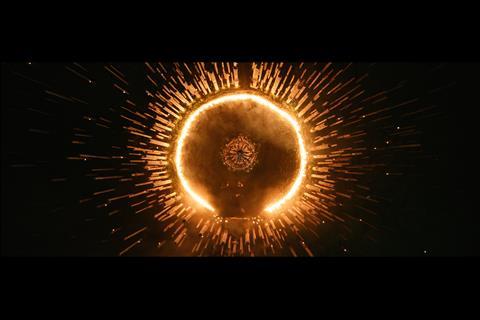
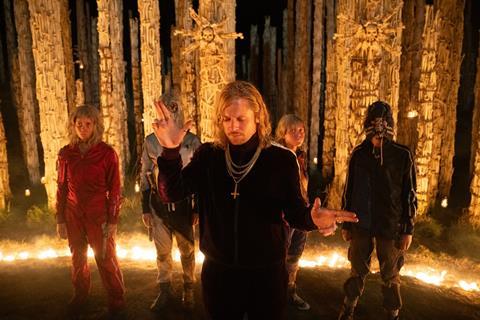
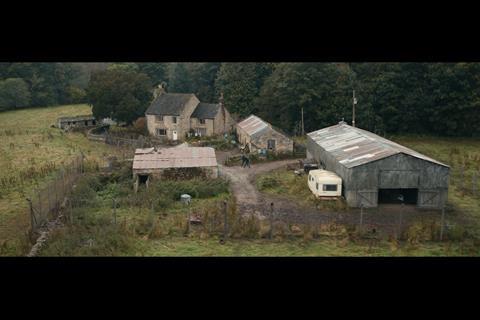
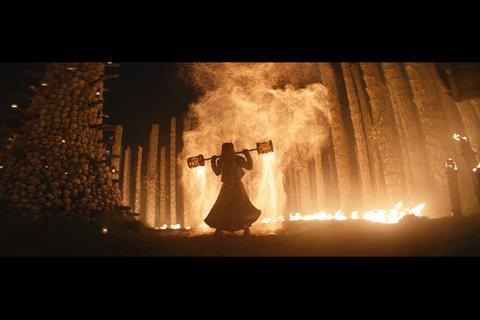
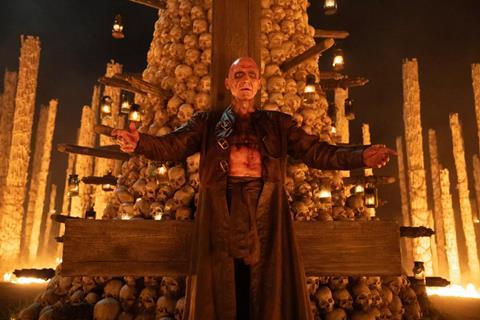
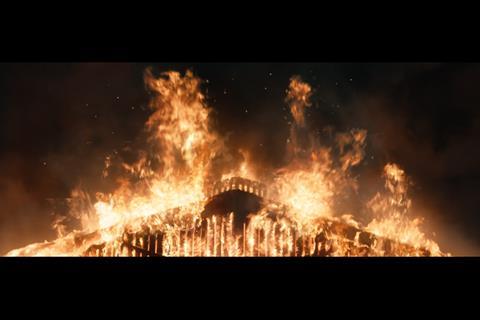
Union has returned as sole VFX vendor on 28 Years Later: The Bone Temple, delivering 380 shots for Nia DaCosta’s continuation of the franchise
Union was the sole visual effects provider on 28 Years Later: The Bone Temple, directed by Nia DaCosta, written by Alex Garland, and starring Ralph Fiennes, Jack O’Connell, Alfie Williams, Erin Kellyman and Chi Lewis-Parry.
Picking up after the events of 28 Years Later, for which Union also served as sole VFX vendor, the film continues the franchise that began with 28 Days Later.
Adam Gascoyne, Union co-founder and overall VFX supervisor on the previous film, returns as executive VFX supervisor, with Dean Koonjul serving as VFX supervisor. Clare Norman returned as overall VFX producer, alongside Robert Vassie as Union’s VFX producer.
Expanding on the world created by Danny Boyle and Alex Garland in 28 Years Later – but turning that world on its head – Nia DaCosta directs 28 Years Later: The Bone Temple. In a continuation of the epic story, Dr. Kelson (Ralph Fiennes) makes a discovery that could change the world as they know it – and Spike’s (Alfie Williams) encounter with Jimmy Crystal (Jack O’Connell) becomes a nightmare he can’t escape.
In the world of The Bone Temple, the infected are no longer the only threat to survival – the inhumanity of the survivors can be stranger and more terrifying. With approximately 380 shots, visual effects were crucial in bringing to life a world still ravaged by the Rage Virus.
The opening sequence relied heavily on VFX, which played their part in nearly every sequence of the film. Whether subtle or overt, these effects were essential not only for storytelling but also for making the apocalyptic world feel believable.
The story begins at an abandoned leisure centre, where Spike and the “Jimmys” gather for a brutal initiation: a fight to the death, with survival earning a place in the group. Shot in a derelict leisure centre featuring a disused water park, the sequence required extensive VFX work to further age and weather the interior. Layers of moss, dirt, and decay were added throughout, alongside detailed blood and gore enhancements during the fight itself, which takes place in an empty swimming pool. This included digital weapons, arterial blood spray at the moment of impact, and an expanding pool of blood as the defeated Jimmy bleeds out.
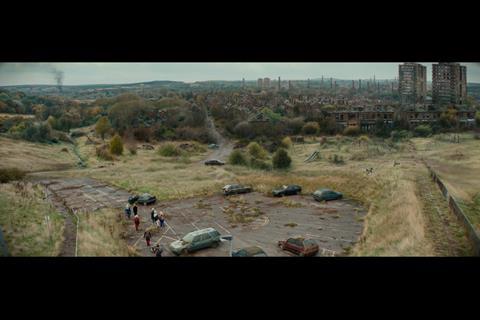
The sequence culminates in a key establishing shot, as the camera pulls away to reveal the wider world beyond.
The leisure centre exterior was shot on location in Bradford. Union carried out substantial digital environment work to enhance and extend the location, adding surrounding buildings, terrain, and architectural elements to reinforce the post-apocalyptic world. This included abandoned and burned-out housing and vehicles, and distant cityscapes.
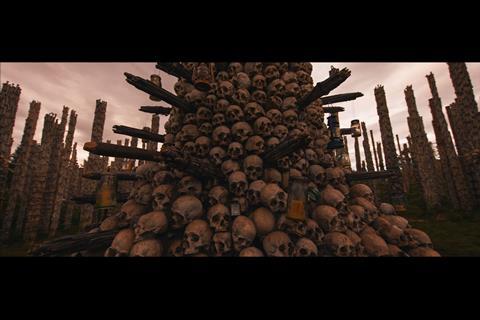
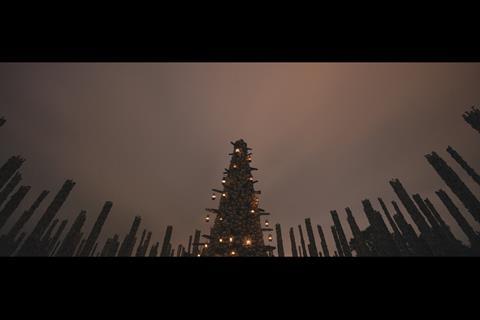
“There’s a VFX hole in the ceiling of the dilapidated building,” says VFX supervisor Dean Koonjul. “The camera pans up through the gap and out into the grim, derelict environment beyond. We extended and aged the surroundings and added tall, industrial, stupa-like chimneys—a precursor to what we see later in the film at the Bone Temple itself.”
Other environment work throughout the film involved several digital extensions of real locations to help geographically connect the various shoot locations, alongside the “28 Years Later” approach of rewilding and ageing existing environments that was established in the previous film.
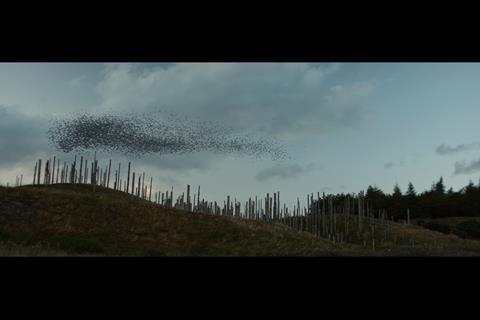
Additional VFX work across the film included a blend of 2D and 3D effects, such as weapon augmentation, blood and gore enhancements, infected character treatments, burning-man head replacements, bird murmurations, extensive set extensions, and large-scale environment work.





No comments yet