

Dom Goldman, CCO & founder of You’re The Goods, looks at how clubs shouldn’t focus too much on what’s on the pitch
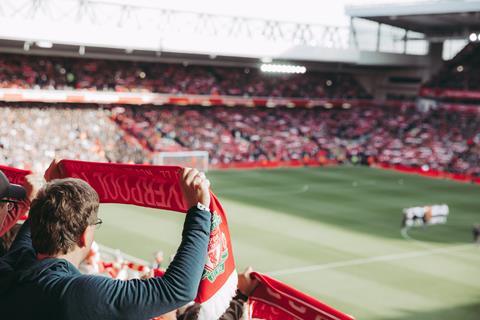
Football has always let results set the tone. A win lifts the place and a loss tightens the mood. That rhythm still matters, but it no longer explains the breadth or volatility of modern global fandom. Most supporters aren’t walking to the ground. They’re watching from thousands of miles away, often in different time zones, carried by the drift of everyday life in their own cultures.
That world has become the real contest
Attention is the toughest opponent in sport. Not the attention of rival clubs but of every other story - every cultural spark and every moment competing for the same heartbeat of someone’s day.
When a club puts out another polite sequence of players stepping off the bus and walking into the ground, it’s too familiar. Boring and dull. It tells the world the club has nothing new to say at a time when everything around it behaves with the energy and invention of modern entertainment.
Supporters don’t experience the game in a tidy run of fixtures anymore. They feel it in fragments that travel across every medium. Whether that’s a chant or a player’s personality landing harder than any tactical breakdown. Some fans grew up with the crest. Others only arrived last season. Many fall for the story before the sport.
Their instinct for what’s real is sharper than ever, and they turn away the instant something feels like a gimmick rather than a piece of genuine cultural originality.
Fans don’t live in the stadium
Fans live in everything from music to film, games, neighbourhood rituals, broadcast, festivals, creators, podcasts, nightlife, retail, tech, travel, community spaces and digital worlds. These are the cultural verticals their lives actually run through. If a club isn’t present in those spaces with work that feels true to its identity, it goes quiet at the exact moment its audience is most open. Matchday has become a beat in the rhythm rather than the whole song.
That’s where a club secures its place in culture rather than standing on the sidelines hoping results will do the work, which is the most fragile position of all.
CMOs are on the playing ground
This is the space where modern CMOs now find themselves, whether they planned for it or not.
The identity of the club, its voice and emotional clarity have become the stabilising force for everything on and off the pitch. When form dips, identity keeps supporters close.
Audiences now judge football through the same lens they use for the most fluent entertainment brands. It’s about creating something original enough to be able to travel further than a striker’s next transfer rumour.
In my work with Premier League clubs, the goal is to raise the ambition. To define the stories that are true to the club’s identity and express them in the modern cultural worlds where fans actually live today, helping the club feel close to younger and global supporters.
The real task is telling authentic stories rooted in the club’s identity and its supporters, played out across the cultural verticals that shape modern fandom. Once that becomes clear, the work opens up. Music becomes a natural expression of character. Fashion expresses a sense of place. Food culture carries meaning. Technology, travel stories, film, fan journeys, PR narratives and cultural activations all fall into line because they share the same emotional spine.
Audiences, loyalty and consistency
I’ve spent years creating meaning for products and services that need invention to feel alive. Football is the opposite. It arrives with emotion built in. It already has story, identity and theatre before a ball is even kicked. Most clubs don’t realise their good fortune.
Global brands spend fortunes trying to buy even a fraction of the connection football gets. Yet many clubs still behave like they’re selling household goods, overlooking the cultural world they could occupy between matches and leaving value untouched every day.
Existing supporters stay loyal through difficult periods because the bond holds and the club still feels like theirs. New global supporters connect quickly when the story is interesting and feels modern enough to live in their world. And general sports fans, who have no allegiance to begin with, are drawn in when the club creates something worth belonging to.
None of this relies on silverware. The game beyond the game has become its own league, and the clubs that understand this have already moved ahead.
Passion and culture are everything to fans
Football has never lacked passion. It’s only lacked the confidence to express that passion with imagination.
The clubs rising now understand the rhythm of culture. They move with the fluency of modern entertainment because that’s the world their audience already lives in. They’re not waiting to be relevant; they’re creating relevance every day.
Winning games keeps you in the table. Winning hearts keeps you in the world. One is unpredictable, and the other sits entirely within a club’s control. The future belongs to the clubs that take that seriously. Football is the heartbeat, but it’s the story that travels.

Dom Goldman is CCO & founder of You’re The Goods



No comments yet