

Gravity Media creative partner Dave Bedwood argues that Welcome to Wrexham and Drive to Survive have shown long-form storytelling should come first, not last
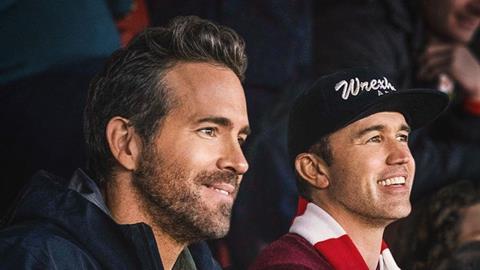
When Rob McElhenney and Ryan Reynolds bought Wrexham AFC in 2021, most people outside North Wales couldn’t have found the Racecourse Ground stadium on a map. Football fans included. Five years on, the club’s a household name in Philadelphia and Los Angeles. Its revenue has grown 28 times its original value pre-takeover.
Hollywood status helped to build visibility, of course. So did its formidable publicity efforts. But neither totally explains why someone in Ohio buys a Wrexham shirt and stays up until an unreasonable hour to tune into a match.
Welcome to Wrexham explains it. People fall for stories and for characters they come to know by name.
There’s a lesson in that for the rest of sport, and it’s one that leaves anybody who makes content for a living a little uneasy.
Sports organisations produce more than ever. A single club might push out hundreds of clips a week across a dozen channels, plus a season launch, a kit reveal, a sponsor activation and a docuseries idea that’s been sitting in a drawer for a few years. Most of it vanishes from people’s feeds by Wednesday. Then everyone begins again on Monday.
The work is often engaging, but it doesn’t often amount to anything, and audiences can tell. Saturday’s highlights reel has no idea what Tuesday’s training ground clip was all about. The sponsor film exists in its own universe. Today’s fans have more to watch than any generation before them, so another standalone clip won’t hold their attention for long. What they need is a reason to come back.
The best sports storytelling now looks more like a television drama than marketing. There’s an engaging world and cast. And, importantly, there’s something at stake. Every piece of content, whether it’s a 40-minute documentary episode or a 12-second video for socials, is a door into that world. Fans can wander in wherever they like and still recognise where they are and why. Ultimately, giving them a reason to stay.
Wrexham is the perfect example of this. The documentary does most of the work, but it’s the content that supports the show that keeps audiences hooked – players’ social accounts, the owners’ feeds, matchday clips and a cast of local supporters who’ve become minor celebrities in their own right.
Formula 1 found something similar with Drive to Survive. The series gave the sport a set of characters that a whole new audience now follows race by race, many of whom had never sat through a Grand Prix before but were drawn in by compelling personalities, rivalries and the pursuit of the World Champion title.
This is where sports marketers often get things backwards. Long-form tends to be treated as the prestige project, the one you get round to when you sort out the “real” content calendar. There are clear examples that suggest it should come first.
A documentary shoot produces massive amounts of material – hours of interviews, behind-the-scenes footage, unexpectedly intimate conversations. But only a very small percentage of these ever make the final edit. This content is a goldmine of short-form material, with each clip possessing the connection to and weight of the bigger story.
A 20-second clip of a killer goal hits far harder when viewers know about the player’s training struggles, seen in the docuseries released the week prior.
If you plan for that from the first day of shooting, you’re telling one story, the same story, at different lengths. You’ll get production and social and commercial teams all working from the same narrative and building the same story arc, and viewers feel that.
Remote and cloud-based production allows crews to capture a lot more, without needing a huge broadcast operation at the event. This doesn’t require a Hollywood-movie budget. AI-assisted tools can search and tag hours of footage in minutes, which quickly gives social teams the exact content they need to continue capturing audience attention while they’re still watching.
Not every club has two extremely well-known owners and a streaming deal. But these things aren’t a necessity to create vivid, deep-feeling stories. A women’s team on a cup run, a rugby side rebuilding after relegation, a young golfer’s first season on tour: these are stories with a beginning and with somewhere to go. What they need is someone willing to commit to telling them for longer than a highlight reel.
So, think back to that fan in Ohio, still up long after any sensible bedtime. Nobody sets an alarm for a kit launch, but they do if they need to know what happens next. Give them a reason, and you will need another quickfire campaign idea.

Dave Bedwood is creative partner at Gravity Media



No comments yet