

System writes metadata directly onto file, making it much more difficult to lose
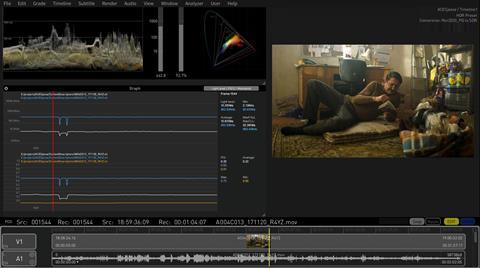
Colorfront and Qumulo have partnered to create a new system that makes metadata for every shot of a production searchable.
It uses Colorfront Transkoder and On-Set Dailies to read what a camera has recorded and add the colour transforms and ACES pipelines applied, ASC CDL and LUT decisions, HDR and Dolby Vision metadata, framing decisions, audio sync, and (in Transkoder/On-Set Dailies 2026) AI-derived information including text detection and automated quality-control findings such as clipped highlights, crushed blacks and judder.
Then, this is combined with the Qumulo Data Platform to Qumulo Core REST API to write this information directly onto the file. Previously it would have been written into deliverables and sidecars, which can be lost or not easily accessed.
This information is then searchable in natural language using Qumulo NeuralSearch. For example, a user could search, “Everything from B-camera on day 14 with the DP’s circle-take flag,” or “All shots on the 32mm with the green-screen flag, at 4K or above, that have not been pulled yet.”
Qumulo CEO Douglas Gourlay said: “Storage has spent thirty years getting better at holding frames and almost no time getting better at helping anyone find them. Colorfront sits where the richest metadata in the entire pipeline is created and expanded. Making that information a durable property of the file, indexed and searchable from the moment it lands, changes what a storage platform is for. The picture stops being an opaque object you have to open to understand.”
Colorfront CEO Mark Jaszberenyi added: “Transkoder has always known a great deal about every frame it touches, what the camera recorded, what the colourist decided, how the shot is meant to be framed and graded. Until now most of that knowledge stopped being useful the moment the render finished. Writing it to the file on Qumulo, where it can be searched in plain language, means the work our software does on-set keeps paying off through editorial, VFX and finishing, and long into the archive.”



No comments yet