

Post Production World Conference Europe offers two days of high-level training across interactive media, motion graphics, VFX, cinematography and AI
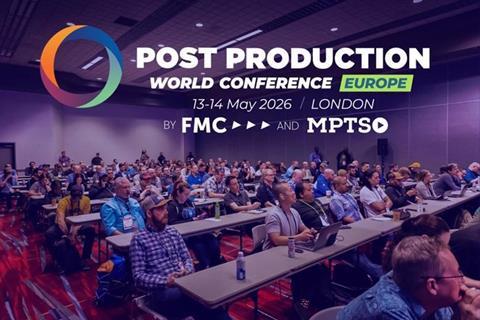
Tickets are available now for the two-day industry-leading training programme Post Production World Conference Europe (PPW Europe), which takes place during MPTS at London Olympia.
Delivered by FMC and modelled on the globally recognised Post Production World events in Las Vegas and New York, PPW Europe gives you access to practical, high-level training led by experienced industry professionals.
You can either book a single session for £285 or buy a full pass (excludes AI Training) for £695.
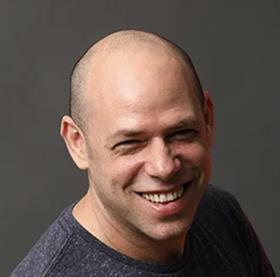
One of the trainers at PPW Europe, Eran Stern (pictured left), who’s creative technologist at SternFX and is an Adobe Certified Instructor, has provided detailed answers to 10 FAQs about PPW Europe at MPTS (London Olympia, 13-14 May 2026).
1) The Post Production World Conference debuts in London for the very first time. What can attendees expect from this year’s conference?
Think of Post Production World Europe as the Now That’s What I Call Post edition for Spring 2026, a curated collection of the ideas, tools, and workflows shaping our industry right now.
Across a carefully crafted programme covering interactive media and post, motion graphics and VFX, studio and field production, cinematography, and AI, attendees can expect fast, practical insight from leading voices across the UK and US. The goal is simple, help you get up to speed quickly, discover what matters most, and leave with techniques you can actually use the very next day.
In short, less theory, more real-world takeaways, delivered by people who are actively working in the field.
2) With all the emerging changes in technology such as AI and immersive media, there is a lot to of information to take in. How have those topics matured, and what new conversations are shaping this year’s program?
Over the past year, the conversation has shifted from “look what AI can do” to “how can AI actually help me deliver better work?” The novelty phase is behind us, and the focus now is on practical integration, how these tools fit into real production pipelines without disrupting creative intent or professional standards.
This year’s programme reflects that maturity. We’re seeing deeper discussions around responsible AI use, legal considerations, authorship, and how to maintain a strong creative voice while working with increasingly intelligent tools. At the same time, immersive media continues to evolve from experimental playground to practical storytelling medium, with workflows becoming more accessible and production-ready.
The common thread across sessions is clarity. Less hype, more application. Attendees will gain a grounded understanding of where these technologies genuinely add value, where human craft still leads, and how to make informed decisions about adopting new tools without chasing every shiny object.
3) The conference is covering a large swath of topics in post-production, creativity, and is even sharing space with a dedicated AI training program. What does the scope of the conference say about how job roles are changing in media creation?
The breadth of the programme reflects a clear shift in how creative roles are evolving. Traditional job titles are becoming more fluid, and today’s editors, motion designers, filmmakers, and producers are increasingly expected to understand a wider range of tools and disciplines. The modern creative professional is not just executing tasks, but shaping ideas across the entire production pipeline.
AI is accelerating this trend, not by replacing roles, but by expanding them. Many repetitive or technical processes are becoming faster, allowing creators to spend more time on storytelling, design decisions, and creative direction. As a result, we’re seeing the rise of hybrid skillsets, professionals who can think conceptually, design visually, and execute technically.
The scope of the conference reflects this reality. It supports the idea that the most valuable creatives today are adaptable, curious, and comfortable moving between disciplines. In many ways, the industry is not narrowing, it’s widening, opening new opportunities for those willing to continuously learn and evolve.
4) Looking ahead, how do you see the role of the post-production professional evolving over the next 3–5 years, and how is this year’s conference designed to prepare attendees for that future?
Over the next few years, post-production professionals will continue to evolve from tool operators into creative problem-solvers who can think across the entire production pipeline. As AI and automation handle more repetitive tasks, the real value will lie in shaping ideas, maintaining a strong visual language, and making smart creative decisions that serve the story. Versatility, curiosity, and the ability to adapt quickly will become key strengths.
This year’s conference is designed to support exactly that shift. The session’s focuses not just on tools, but on workflows, decision-making, and practical techniques that can be applied immediately. The aim is to help attendees stay relevant, confident, and creatively sharp in an industry that continues to move fast, while keeping craft and storytelling firmly at the centre.
5) Many creatives are trying to future-proof their careers amid rapid technological change. What skills or mindsets do you think are becoming essential right now?
Future-proofing today is less about mastering a specific tool, and more about developing a mindset that embraces continuous learning. Technologies will keep evolving, but the core creative skills, storytelling, design sensibility, timing, and visual communication, remain highly transferable. The professionals who thrive are those who stay curious, experiment regularly, and are comfortable adapting their workflows as new possibilities emerge.
Equally important is learning how to collaborate with intelligent tools without losing creative authorship. Understanding when to use AI, when not to, and how to guide it effectively is quickly becoming a valuable skill in itself. The combination of strong fundamentals, openness to change, and a healthy dose of critical thinking will go a long way toward building a resilient and future-ready creative career.
6) The Post Production World Conference brings together professionals from across the entire post-production ecosystem, from VFX supervisors and colorists to editors, sound designers, and producers. How important is this cross-disciplinary gathering in today’s fragmented media landscape?
It’s more important than ever. While tools and roles continue to evolve, great work still depends on collaboration. Today’s productions move faster and span more platforms than ever before, which means professionals need a clearer understanding of how different disciplines connect and influence each other. Editors benefit from understanding VFX pipelines, motion designers collaborate more closely with sound and color, and producers increasingly need awareness of technical possibilities when shaping creative decisions.
Bringing these disciplines together creates a shared language that improves communication, reduces friction, and ultimately leads to better results. In a landscape that can sometimes feel fragmented by tools, formats, and specialisations, events like Post Production World help reconnect the dots. They provide a space where professionals can step outside their immediate focus, see the bigger picture, and discover new ways to collaborate more effectively across the entire creative process.
7) The Post Production World Conference can be overwhelming, especially for first-time attendees. How should someone approach the event strategically to get the most value from their time?
The best strategy is to arrive with curiosity, but not try to see everything. Review the programme in advance, identify a few priority sessions aligned with your current goals, and leave room for discovery. Often the most valuable insights come from topics slightly outside your comfort zone, where you gain perspective on adjacent disciplines or emerging workflows.
It also helps to think in terms of outcomes rather than volume. If you leave with two or three ideas that genuinely improve your workflow, creative process, or business approach, the event has already delivered significant value. Take notes, ask questions, and allow time for conversations between sessions, that is often where insights turn into real opportunities.
8) Networking has always been a big part of the conference experience. How are you fostering meaningful connections and peer learning opportunities this year?
One of the strengths of Post Production World has always been the accessibility of its speakers and the openness of its community. This year we’ve designed the programme to encourage conversation, not just presentation, creating space for discussion, questions, and shared experiences between sessions.
Because attendees come from a wide range of disciplines, the networking naturally becomes more valuable. Editors meet motion designers, filmmakers connect with AI specialists, and conversations often lead to collaborations long after the event ends. Some of the most useful learning happens informally, when professionals compare notes about real-world challenges and solutions in a relaxed environment.
9) What trends or industry shifts do you expect to dominate conversations among attendees in the hallways between sessions?
AI will certainly remain a headline topic, but the conversation has clearly evolved from fascination to practical application. Creatives are increasingly focused on how to integrate these tools responsibly and efficiently without compromising originality or craft. Alongside that, new developments such as Adobe’s updated colour workflows, emerging motion graphics tools like Cavalry from Canva and Autograph from Maxon, and the growing AI feature set in Resolve 21 are generating a lot of curiosity. And of course, no industry gathering would be complete without the ongoing discussion around subscription models and how to balance creative needs with practical budgets.
Beyond specific tools, there is strong interest in building smarter, more streamlined workflows that support cross-platform storytelling and consistent visual language across formats. Sustainability is also part of the conversation, not only in environmental terms, but in designing processes that remain flexible, efficient, and resilient as technology continues to evolve.
10) If someone is on the fence about registering, what would you say is the single biggest reason to attend Post Production World Conference this year?
Clarity. In a time when our industry is evolving rapidly, it can be difficult to separate meaningful developments from passing trends. Post Production World offers a concentrated opportunity to hear directly from experienced professionals, see real workflows in action, and better understand which skills and tools are worth investing in.
It is a chance to step away from the daily noise, gain perspective, and return with practical ideas that can immediately improve the way you work. If staying relevant, efficient, and creatively inspired matters to you, this conference is designed to help you do exactly that.



No comments yet