

YouTube UK managing direcor Alison Lomax is pleased to see more creators make the jump to TV
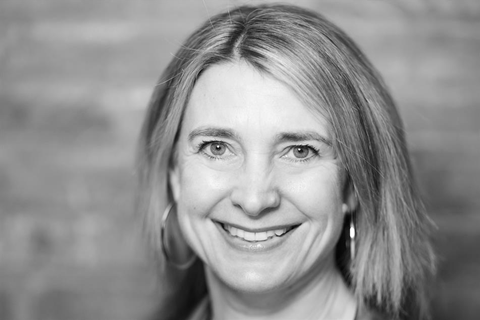
“We’re really proud when creators are successful,” says YouTube UK managing director Alison Lomax, when asked what she thinks of the growing trend of creators moving into traditional TV.
“They’ve always been diversified with merchandise and elsewhere,” she adds in her conversation with Broadcast Tech, noting the success of the film Backrooms, directed by YouTuber Kane Parsons, and how fellow creator Lily Sabri has turned a pilates channel into a health and wellbeing product line.
“But they still think of YouTube as home. We will do what we can to remain as that.”
Part of that effort comes in the form of Creator Voices, a new initiative launched today, 22 September, which sees the creation of a panel of creators to amplify the sector’s voice on various issues affecting it. The starting list of creators consists of Jordan Schwarzenberger, Brandon B, TLDR, Santiago (FUTCRUNCH), Jade Beason, Damien Talks Money and Grace Andrews, with plans to add more in the future.
“Their voices cut through louder than ours,” says Lomax, who explains that the list aims to represent all different parts of the creator economy. Some are established figures with their own studios, others, such as Grace Andrews, are newer to the platform, and there is an effort to represent different regions of the UK with the likes of Manchester-based Damien Jordan, aka Damien Talks Money.
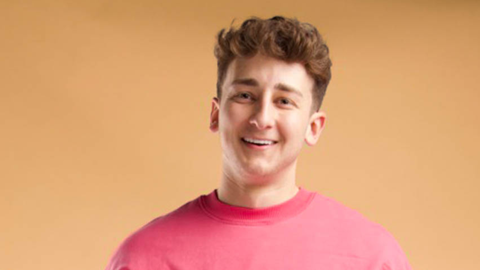
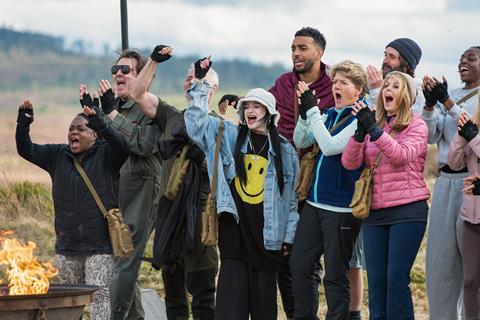
A number of those involved have been part of the convergence between YouTube and TV already, but Lomax believes that the two will continue to be separate. “The industry is a spectrum and it always will be,” she says. “There is still a role for high quality, high craft shows, which create the water cooler moments, like the upcoming Celebrity Traitors.”
There is also the question of public service broadcaster content such as The Traitors being given more prominence on YouTube, as recommended by Ofcom, to which Lomax says that currently, “It’s an equal playing field. We want broadcasters to succeed and to have a level playing field with creators.”
While convergence may only go so far and the talks with PSBs will continue, this doesn’t mean that there can’t be more collaboration, going in both directions. Lomax thinks the acquisition of creator-founded studio After Party by notable production company Sister is, “very interesting,” and that there is an opportunity for independent production companies to look at the platform favourably in an era of commissioning difficulties. “It’s an opportunity to test IP,” she notes. “You can put a pilot out and promote it. It’s very positive for the ecosystem as it encourages experimentation.”
Archive content is another area Lomax says has opportunities, mentioning the success of old comedy from the likes of Peter Kay and Harry Hill on YouTube, finding the comedians a new generation of fans.
In addition, for freelancers and other individuals affected by TV’s difficulties, Lomax says that YouTube content could be a new home - but they need to be aware that there are differences. YouTube is working with the likes of the National Film & Television School and the BBC to prepare people who want to make the switch, and Lomax said, “We’re really passionate about skills transferability.
“How can we ensure a TV editor has the skills to edit Haaland’s channel? It’s very different. We need adaptability on both sides.”
The company is expanding its work with the NFTS and looking for new partners in the area to this end.
Overall, Lomax and YouTube consider the UK to be in a good position to take advantage of the creator economy, with exports of British content on the platform higher than many of its peers, giving hope to those who want to move into the platform from TV or elsewhere. She asserts, “It’s an incredible soft power and a huge opportunity.”



No comments yet