

- Home
- Subscribe

Subscribe to Broadcast in print and online
Take out a subscription to get immediate access to Broadcast:
- Expert analysis and comment
- Unlimited access to in-depth articles and premium content
- Full access to all our online archive
- Intelligence
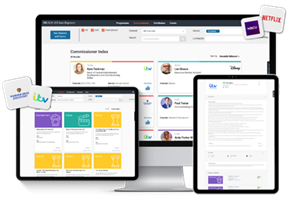
Get your ideas seen by the industry’s biggest names with the help of the leading TV development site, Broadcast Intelligence. Unlock essential intel on what top commissioners and distributors are looking for and how you can work with them.
Not a member? Find out more Members login here
- News
- Ratings
- Events
- Magazine
- International
- Features
- Broadcast Network
- Advertise
- Jobs

















£200m digital surplus will fund broadband push

DIGITAL BRITAIN: The government has earmarked £200m of the money handed to the BBC to help with digital switchover and provide universal broadband access by 2012.
Sign in if you have an account
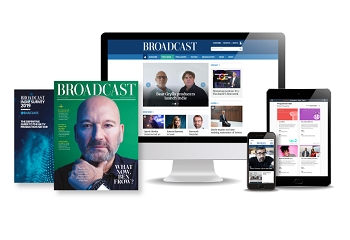
Do you want to keep reading?
Register to read four free articles per month
Subscribe and get access to
- Up to the minute industry news
- Agenda-setting interviews with key industry figures
- Insight into the latest programme performances
- Ratings data with viewing trends
Access premium content subscribe today
If you have an account you can SIGN IN now