

Regulator’s decision set to pave way for more M&A among regional operators
America’s Federal Communications Commission (FCC) has voted to overturn a long-standing rule that stopped any single company from owning stations that reach more than 39% of US TV households.
The FCC’s decision will allow TV groups such as Nexstar, Tegna and Sinclair Broadcasting to expand their reach, with the media regulator claiming the cap “constrains” regional TV networks.
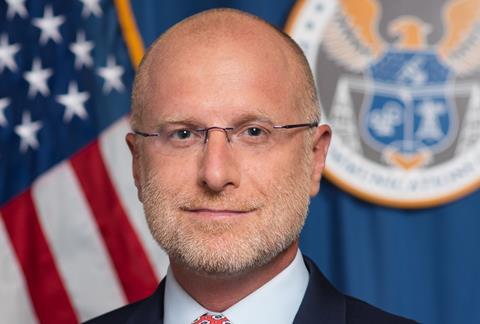
The FCC, which will now review on a case-by-case basis, supported the motion by a 2-1 majority. The media agency’s only Democrat - Anna M Gomez - voted against the motion, arguing it would impact regional journalism.
Those in favour at the FCC argued that the cap, which began as a 12-station limit in 1984 before progressing to constrain companies within 39% reach in 2003, fails to promote competition because of the uptake in streaming and the decline in broadcast TV consumption.
Brendan Carr, the FCC’s chair, said: “The FCC has the authority to modify the cap as we do today, and it is the right policy answer too if you care about the future of trusted, local news.”
Carr added that repealing the cap would “restore balance to the broadcast airwaves” and “provide essential relief for local broadcasters by restoring a healthy counterbalance for the growing leverage and power of national programmers.”
Gomez said the decision to eliminate the cap “is unlawful on its face and a profound departure from both statutory boundaries and longstanding broadcast policy.
“Congress set this cap in federal law, and only Congress can change it. I cannot support an action that so plainly violates the law and exceeds the Commission’s authority while simultaneously overlooking the real-world consequences for the public we serve.”
She added that the change would “put more control of the public airwaves [into] a small number of companies whose coverage pleases this administration.”
The decision comes at a key time for regional US broadcast groups, as they look to combine forces amid an ongoing advertising squeeze.
It also follows the decision to postpone the proposed $6.2bn merger of Nextars and Tegna by a California judge, despite the FCC suggesting the 39% waiver cap would not apply in that deal.
Both companies have largely supported US president Donald Trump over recent years, as has Carr, with an antitrust trial set for 2027.
Nexstar described the FCC’s decision to remove the cap as “a welcome, necessary and long-overdue recognition of today’s competitive landscape, which is dominated by legacy big media and big tech.”






No comments yet