Dr Joanna Abeyie moots secondment agreements to aid career progression as TikTok’s diversity chief warns of ‘war on talent’
Broadcasters and producers should explore “loaning talent” to rivals to ensure career progression for staff from underrepresented backgrounds, according to a diverse hiring specialist.

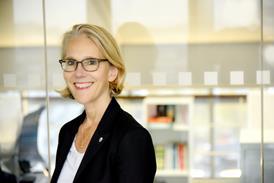
Social impact entrepreneur Dr Joanna Abeyie, founder of executive search and diversity and inclusion consultancy Blue Moon, suggested broadcasters create secondment arrangements with each other to help overcome “systemic biases” that hamper individuals’ progression.
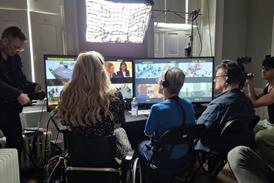
“What you’re finding across industry is there are loads of people in this ‘frozen middle’, who are desperate to move up, but wouldn’t necessarily get opportunity,” she told the One Workforce: Cross Sector Collaboration session at Ofcom’s All In: Diversity in Broadcasting 2021.
“The way the sector can come together and collaborate is to loan talent to each so that they can get the skillset, and there’s fluidity around their progression,” she added.
Dr Abeyie said her organisation had already trialled secondments in another sector, adding it “allowed people to stay employed but go into similar businesses in the same sector to learn from each other”.
War on talent
Her ideas were supported by Priscilla Baffour, head of diversity and inclusion for EMEA at social media firm TikTok, who said there was a “war on talent”, as media firms compete to hire staff from underrepresented groups.
During the session, Baffour told BBC’s head of creative diversity Miranda Wayland that the TV industry “has to be better at pooling talent”.
“We’re in a unique position at TikTok – we move incredibly quickly and there’s room for us to bring that talent in,” she said. “For all those hundreds of thousands of people applying for roles in my organisation, I’d love to be able to say to Miranda, ‘Here you go; here are some of the best that didn’t get an opportunity’.”

Wayland agreed she needed better access to such people, noting media organisations have a duty to “understand what those touchpoints are”.
The exec said the BBC was making career development for diverse talent a “mandatory” aspect of individuals’ roles. Underpinning that was the necessity for line managers and leader to “know how to have a conversation about this based on people’s protected characteristics”.
“There’s no point asking me to develop my career if you don’t know what the ceilings are for me as a woman, a woman of colour, or a woman with a disability,” she said. “We have to think as leaders: ‘Am I contributing to the barriers you’re facing?’”


No comments yet