

Cat Botibol, business development director at Studio Secret Cinema, looks at how the NFL keeps viewers interested beyond the big moment
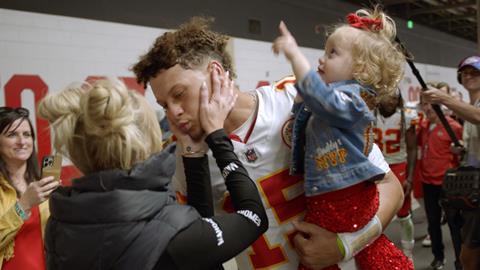
When millions tune in for the Super Bowl, how much of that attention actually turns into fandom for the game?
The half-time show, the ads, social media and watch parties have always drawn wider audiences, but what’s different now is how deliberately those viewers are being nurtured into people who keep watching once the cultural moment passes.
Streaming and social engagement has allowed the game to be distributed and marketed in the spaces different communities already spend time in. Even the league has recognised that shift and is actively encouraging women, younger audiences and multicultural communities to follow the games.
As sports fandom continues to grow through cultural moments and crossover appeal, the challenge is understanding how that attention turns into genuine investment in the game itself. How does someone who showed up for the cultural moments surrounding the sport develop a connection that keeps them watching beyond a single event?
That’s the question sitting underneath today’s NFL strategy, and one anyone shaping sport viewership should be asking as well.
Fans aren’t discovering sport the way they used to
Think about how people used to pick teams. It wasn’t really picking at all. You were born somewhere and tied to that local club, or your friend or parents supported someone, and that became your shared identity by default.
We know that sports fandoms are built differently now. It’s global rather than local, and well documented that Gen Z and young millennial sports fans follow individuals first over teams. Cultural crossovers, brand partnerships, entertainment licensing and creator communities are all routes into becoming a fan of a sports team. Taylor Swift fans following the Kansas City Chiefs is a good example. Sometimes, the entry point has nothing to do with football, yet the viewership for the games increase.
We’ve seen this play out long before social media amplified everything. Anyone who remembers the ‘Posh n Becks’ era will remember football spilling into mainstream conversation. Manchester United reached audiences far beyond the usual, and that attention boosted sponsorship, commercial value and global visibility. This meant success on the pitch continued, and the fans who cared about results and statistics had every reason to stay satisfied while giving new viewers enough reason to keep watching.
Connection turns cultural attention into sustained viewing
While the reasons people arrive are changing, what keeps people invested remains the same, and the NFL’s current audience strategy reflects that understanding. Cultural moments may draw viewers into a game, but connection determines whether they’ll return the following week. People stay where they feel welcomed, recognised and able to share the experience with others. That’s true in sport just as much as it is in entertainment.
Audiences naturally look for shared reference points that help them recognise each other. Our research shows 80% attend live experiences to connect with people and 74% value moments that create belonging, so that instinct doesn’t disappear when viewing happens through screens. It simply changes form, through social conversation.
This is increasingly visible in how the NFL builds engagement layers around the game beyond broadcast. New audiences expect content, activations, experiences and products that feel built for them, not just adapted. They engage on different platforms, and are often drawn to different stories about players, personalities and context. It is this, the ongoing storytelling and opportunities to participate with other fans, that give them a reason to keep tuning in. Treating all viewers the same ignores how fandom actually develops, and risks losing the attention those moments worked hard to generate.
Growing audiences around existing supporters
The real challenge, and one the NFL has to navigate around the Super Bowl, is protecting what existing supporters value while making sure new audiences feel they belong. Loyalty in sport is built through time and emotional investment, and that sense of ownership is part of what gives fandom its intensity. Lowering the barrier to entry doesn’t mean changing what loyal fans value about the sport, but creating more ways for people to step into it.
Formula One does this well. The visibility created by Drive to Survive opened the sport to new audiences through the human stories behind it, but people stayed because the championship itself remained exciting. Around that, the sport is making participation easier and more inviting, from camping options and entertainment at race weekends to teams like McLaren producing events and experiences outside of race weekend that connect sport with music, fashion and culture.
That layered approach allows the fandom to expand without forcing everyone through the same path. When audiences find a narrative route that resonates with them, they are far more likely to keep tuning in across fixtures rather than only showing up for cultural moments.
It mirrors the balance the NFL is currently pursuing as it broadens who the game speaks to. So while cultural moments continue to draw new audiences toward the game, what ultimately defines success is how that attention is nurtured, and whether those viewers find enough connection, narrative or belonging to keep tuning in long after the moment has passed.

Cat Botibol is business development director at Studio Secret Cinema



No comments yet