



















Governments urged to recognise “economic value” of TV and film production at digital event
Governments have been urged to put their screen industries front and centre of their economic planning, as countries begin opening up following the easing of lockdowns.

Jess Conoplia, president of global advocacy body the Association of Film Commissioners International (AFCI), said governments should consider the “economic value” of TV and film productions in looking for ways to reignite economies.
“The sector is something that governments really should not ignore when looking at opening up and businesses and return to work,” she said. “In moments of crisis, arts and culture budgets are first that are on the chopping block and what we want to do is reiterate how important this sector is to economic recovery.”
Conoplia was speaking as part of the Resuming Film Production in the New World panel discussion at Key Buyers Event: Digital Edition, organised by the Russian film body Roskino yesterday.
The AFCI chief, who is a former senior vice-president of the British Film Commission, earmarked the wider economic impact of televisual production, outside of the creative sectors.
She said that “hundreds of people in skilled jobs” were employed whenever a producer brought their production to a country or region, adding they spent money on accommodation, set construction and other local trades that allowed money to “flow through the local economy”.
New locations for a new world
Conoplia, who spearheads the AFCI’s work to provide advocacy, connectivity and education for the screen sector to foster economic growth, said the global industry was exploring safe filming alternatives to their own countries, in places where coronavirus had been controlled and was not as prevalent as before such as Germany
However, she said the likeliest wholesale return to production would be on locally shot projects.
“My gut tells me, in this start-up phase, we’re going to be looking at projects that are domestic first,” she said. “They will start slowly with small scenes, before scenes involving intimacy or crowd scenes.”

Jay Roewe, senior vice-president of west coast productions at HBO, said that while the US cable channel aimed to have some productions return by autumn, the rapid spread of coronavirus in the US had caused them to explore opportunities abroad.
He pointed to conversations around a potential project shot in the Czech Republic, adding that the large-scale nature of US-filmed projects meant a “more challenging” production conundrum.
“Every time there’s a jolt to our business and there’s a slow-down, new ways of working come out of it,” he said.
Pavlína Žipková, head of the Czech Film Commission, said another positive effect that could come out of the pandemic would be that it might “lead to safe environments on sets in general”, with greater protocols and more stringent insurance.
However, that would come at a cost, she warned: “When you have a very low budget, producers tend to save and cut corners everywhere. From now on you cannot do that.”
Production fears
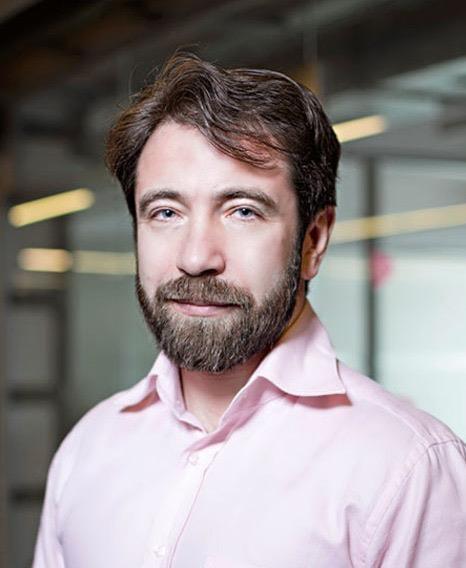
Some producers were facing up to the reality of not being able to afford to go back into production for a year, according to Alexander Kessel, founder of Russian firm Sputnik Vostok Production.
“We don’t seemingly have insurance solutions,” he said. “We rely a lot on self-regulatory things and we have to acknowledge a difference between permission to shoot and readiness to shoot.
“If I make a choice to start shooting in August and something bad happens, we have one protocol: we stop for two weeks to quarantine. We then might have the possibility to shoot on, but the risks are so high that I would most likely not make them.”
Additional expenditure related to these new production budget precautions could “kill” some projects, added Kessel.
The Key Buyers Event: Digital Edition event was organised by Roskino to connect buyers, producers and distributors from around the world to showcase Russian content, both completed and in post-production.






No comments yet