

Documentary film looks at what the rise of AI could mean for the future
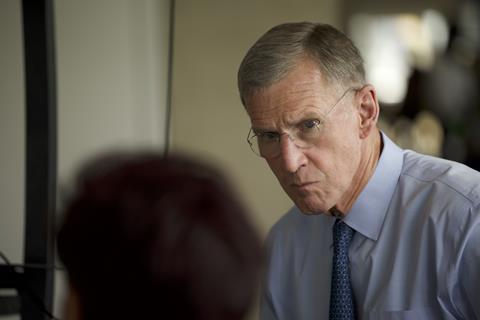
Intelligence Rising, a feature-length documentary directed by Oscar and BAFTA-winning Elena Andreicheva, explores the promises and perils of artificial intelligence by placing a group of technologists, military generals, and philosophers into a bold wargame scenario to see how AI might reshape global power.
The film explores AI from a human perspective, and this approach became the foundation of the grade, which was completed at Residence Pictures by colourist Vicki Matich. From the outset, the production created two distinct visual worlds running side by side: the AI wargame at the centre of the story and the intimate human scenes following Marc and his young son Tommy as he grows up. This meant different visual treatments for each side.
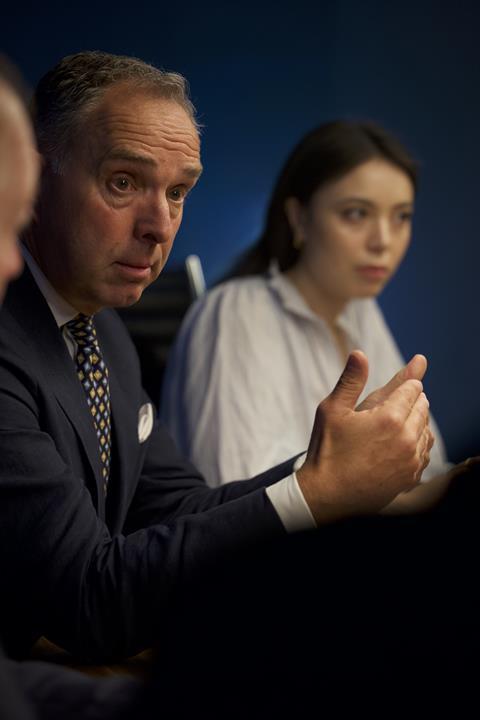
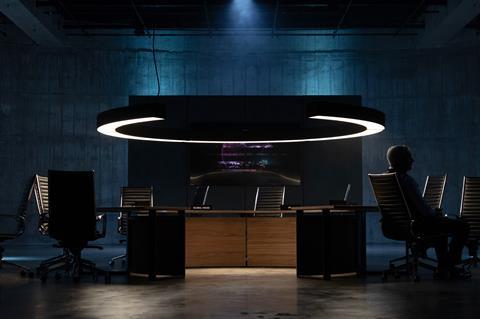
For the war room and associated scenes, Matich kept the imagery on the cooler, more desaturated side. She wanted it to feel controlled, sophisticated and slightly removed from everyday life. These sequences bring together former generals, ambassadors, philosophers and policy experts to role-play a future AI crisis, so there was a sense of authority and high-level decision-making built into the material.
Andreicheva’s references for these scenes combined the tension of a geopolitical thriller with the unpredictability of documentary filmmaking. The cooler palette helped reinforce that atmosphere. By pulling back saturation and keeping the look relatively clean and restrained, Matich created a visual world that felt strategic and considered. As the participants wrestle with the consequences of increasingly powerful AI systems, the grade subtly supports the seriousness of the discussions and the urgency of these speculative realities taking place.
The scenes with Marc’s son Tommy sit at the opposite end of the spectrum. Throughout the documentary, Marc’s concerns about the future of AI are punctuated by moments spent caring for his son. Viewers see Tommy grow from a baby into a young child, and these scenes become an emotional counterweight to the scenes portraying the futuristic AI scenarios.
For these sequences, Matich pushed the imagery towards a more naturalistic and colourful world. She wanted viewers to enjoy the nature as if they were seeing the world through a child’s eyes, full of wonder and discovery. With the film largely covering technology, accentuating nature aimed to ground the audience and position AI in the context of the natural world we are in.
These scenes were particularly important to Andreicheva’s overall vision. The scenes with Marc and his family are shot closer to the subjects, in quieter settings and are generally more still, to give an intimate feel.
Matich said, “The objective for these scenes was for the audience to connect emotionally with the physical world around them, and that informed many of our decisions in the grade. Colours feel richer, landscapes more vibrant and the natural environment more present. The warmth and vitality of these images deliberately contrast with the cooler, more controlled atmosphere of the wargame.
“As Tommy grows throughout the film, that contrast becomes increasingly meaningful. The family scenes remind us what humanity stands to gain (or lose) as artificial intelligence continues to evolve.
“While establishing these two visual identities was central to the grade, it was equally important that the film still felt cohesive as a whole. To achieve that, I used Baselight’s grain tool to soften the image and create a more filmic texture across the documentary. From there, I introduced varying amounts of bokeh and halation, dialling them up or down depending on the scene.
“These tools helped add subtle texture and atmosphere without overwhelming the material. Rather than creating a heavily stylised look, the goal was to enhance what was already present and bring a greater sense of richness to the final image.”

She continued, “Much of the visual identity had also been established before the film arrived in the grading suite. Elena and the production team had achieved a great deal through the cinematography, locations and production design. It really reminds you of the cinematic power of documentary making.
“The film arrived with a fully formed visual character. Together in the grade, we focused on enhancing those existing ideas, refining the contrast between the two worlds and using a range of tools to finesse the final look.
“That collaborative process was particularly rewarding because the visual approach was always tied to the film’s larger themes. While Intelligence Rising explores the geopolitical implications of advanced AI, its emotional core is firmly centred on people.”
Andreicheva added, “Working with Vicki on Intelligence Rising was kind of like having your mind read - she just totally understood my visual intentions and augmented them, reading the emotional undercurrent of a scene and translating that into colour. The warmth and texture of the scenes with Marc and his family, the clinical cool of the wargame and its geo-politics - all helping viewers feel the weight of the future we are imagining while staying grounded in the human reality at the film’s heart.”





No comments yet