



















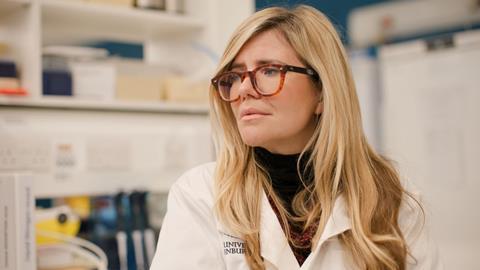
“Endometriosis is like someone taking a drill to your organs. The pain resembles a tsunami in every one of your cells – or the movement of tectonic plates inside your body. Years spent contending with the condition is “not life”. Endometriosis may not literally kill you, but suffering from it can feel like a living death. In Emma Barnett: Fighting Endometriosis, the Today presenter provides all these unflinching insights and many more into the condition, which involves cells resembling those that line the uterus growing elsewhere in the body. There is no cure, the only available treatment is hormones (predominantly the contraceptive pill), to mask symptoms, or surgery – including a total hysterectomy, although that won’t necessarily provide relief on a permanent basis. Endometriosis is extremely painful and little understood. It’s also incredibly common: one in 10 women of reproductive age in the UK have it.”
Rachel Aroesti, The Guardian
“The documentary itself was like a howl of pain — a cry for something to be done about a condition thought to affect 1.5 million women and in which cells similar to those in the lining of the womb grow in other parts of the body. It has had little funding yet an expert said it costs the UK economy £12.5 billion a year because so many women are so crippled by it they leave the workforce. It is Barnett’s very bad luck that she has it, but for her fellow community of sufferers it is fortunate. She is clearly on a mission to change things, using her platform and journalistic skills to do so. She speaks with authority but also a sort of incredulous rage that sufferers just have to get on with it. By the end I felt the same.”
Carol Midgley, The Times
“The hormonal condition, which involves cells similar to those in the womb growing in other parts of the pelvis, causing agonising ‘sores and lesions’ — and is linked with a higher risk of infertility — was largely a mystery to doctors until the past decade. Because the sores thicken and bleed every month, the condition has long been dismissed, even by the women worst affected, as an extreme form of period pain — or misdiagnosed as everything from appendicitis to irritable bowel syndrome and Crohn’s disease. Barnett admitted she’d barely heard of the illness when she was first diagnosed, ten years ago. It’s probable that for many viewers, this programme will be like a light going on in a pitch-black room.”
Christopher Stevens, Daily Mail









No comments yet