












“It’s gripping, it’s revelatory and it pulls no punches”
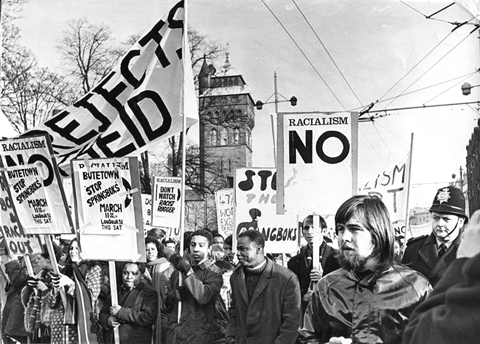
Free Nelson Mandela, Channel 4
“Nelson Mandela died in December 2013 but he had long before been canonised as a secular saint. Many people – particularly on the political right – found it convenient to forget that for decades they had regarded him as a terrorist. He had become the world’s grandad: an icon of spiritual generosity and reconciliation. This three-part series directed by James Rogan ends in 1994, when Mandela became president of South Africa and that process of sanctification was under way. It’s gripping, it’s revelatory and it pulls no punches. It evokes the grim reality faced by Mandela and his allies during their decades-long struggle against apartheid. It’s a world of white South Africans suggesting their Black compatriots had “only just come down from the trees”. Of British young Conservatives with their “Hang Nelson Mandela” posters. Of physical violence, emotional torment and awful economic unfairness.”
Phil Harrison, The Guardian
“The assembled voices range from Barbara Masekela, an activist and close adviser to Mandela, to Dali Tambo, son of the South African politician Oliver Tambo; from the anti-apartheid campaigner and former cabinet minister Peter Hain to Barend du Plessis, former minister in the National Party, and Christo Brand, Mandela’s prison guard on Robben Island who became his friend. Brand described opening the cell door and seeing for the first time the prisoners standing “on the cement floor, bare feet, short sleeves”. It was the middle of winter. They were made to do hard labour in the lime quarry crushing stone into fine powder and we heard Mandela’s own unmistakable voice describing how every day the prisoners had to fill up a measure. When they did the authorities just kept increasing its size. Brand said the prison’s instructions from the government were to “break these guys” and if they died in prison, well, so much the better. Mandela would later give his jailer legal advice, a glorious example of his magnanimity.”
Carol Midgley, The Times



No comments yet