











“The script is elevated by the family’s emotional drama, so it’s more than just a series of scares”
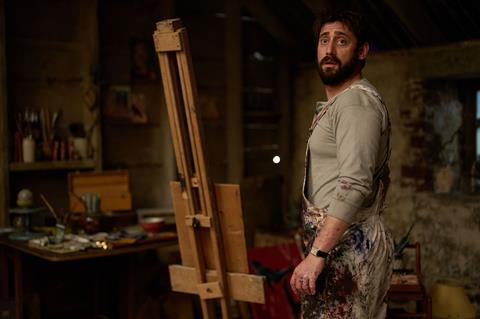
The Witch Farm, BBC1
“Because the story of Heol Fanog has so much in it, even a four-episode series has to move uncomfortably fast. The Witch Farm can’t hang about if it’s going to cover the plentiful aberrations turned up by the original podcast series, which touched on historical murders, ancient curses and even ley lines in addition to regular visions of the dead. Consequently, it breaks the rule that horror stories have to wait as long as possible before showing us the monster. There’s no slowly accumulating dread here: it’s bedlam in that house from day one and, although the show makes some use of claustrophobic closeups, sudden switches to shaking handheld cameras and liminal glimpses of the atrocious – there’s one shot of a swiftly retreating spectre that does chill the hackles – it soon abandons the effort to build atmosphere and shows its hand instead. Our first clear sighting of what the Riches are haunted by arrives far too early and is so unsubtle, it’s laugh-out-loud funny.”
Jack Seale, The Guardian
“The script is elevated by the family’s emotional drama, so it’s more than just a series of scares. Bill’s desire for isolation is driven by his struggle with alcoholism; he hopes that communing with nature and living miles from an off-licence will help him to stay sober. The couple have money troubles, and Jonathan would be a mixed-up teenager even without all of this business. By episode two, the creepy bits are losing their power to frighten. There are diminishing returns to hearing those footsteps yet again or seeing the same ghostly figure at the end of a hallway. But Robins has teased that the drama “culminates in something mind-blowingly scary”. One to watch with the lights off, if you dare.”
Anita Singh, Telegraph
“Haunting stories are extremely popular if the BBC podcast on which The Witch Farm is based is any barometer. It has, apparently, been downloaded no less than eight million times. People are evidently transfixed by the possibility of a spirit world, or maybe they just enjoy being terrified. However, I was not particularly terrified watching The Witch Farm (BBC1), largely because the events that are supposed to have happened there have been written and spoken about so often that the element of “jump scare” is diluted (you may remember Hellfire Farm, Channel 4’s somewhat hammy docudrama about it in 2018).”
Carol Midgley, The Times
“There is a strange old lady who keeps appearing and just staring. Even the plumbing is haunted. Taps turn themselves on and flood the bathroom, although everything’s perfectly normal when the plumber arrives. Luckily he’s been before. The only reason the radiators don’t fly off the wall any more, he says, is because he uses screws with a cross on them. There was even the traditional local, warning them off. A slightly mysterious farmer advised: ‘I’d stay away from here, boy, if I were you.’ It was all very well done, but what I don’t understand is this. You live in the middle of nowhere. You have a new baby. There is a weird old lady who haunts the house, and an evil spirit who rips radiators off walls and floods the bathroom. Why didn’t Liz put her foot down, and insist they move to Cardiff?”
Roland White, Daily Mail
Oobah Butler: Scams for a Better Tomorrow, HBO Max
“It feels fitting that on the same weekend Nathan Fielder’s much-discussed You Can See Everything finally arrives in UK cinemas, Oobah Butler: Scams for a Better Tomorrow launches on the small screen. This wildly entertaining show confirms Butler as the British heir to Fielder’s crown as the clown prince of documentary-making. Butler doesn’t even need a gift-wrapped subject like Theranos grifter Elizabeth Holmes. If you enjoy satire that punches upwards at the rich and powerful, you’re in for a riotous treat. If you prefer a ghost-faced buffoon from Birmingham donning fancy dress to run rings around idiots, you’re also in luck. He might have a name like a valet-ordering app, but Oobah Butler is a serious talent.”
Michael Hogan, The Guardian






No comments yet