













Louise Kattenhorn wants more ideas across visual and audio platforms, as execs dissect success of The Traitors: Uncloaked
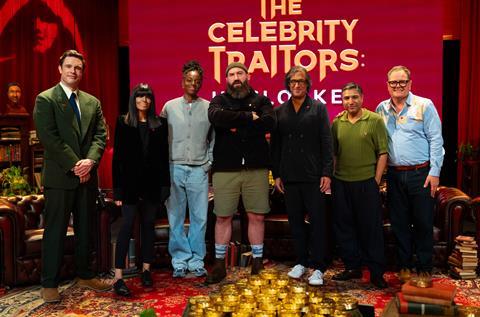
A BBC Sounds podcast commissioner has called on indies to pitch more “integrated” ideas that would work for both audio and TV, following the success of The Traitors: Uncloaked.
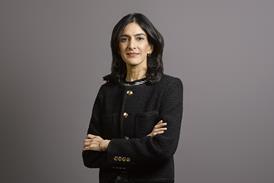
Louise Kattenhorn made the appeal at a Royal Television Society and Platform Media panel yesterday (26 November), during which BBC and creative execs behind the visualised companion podcast analysed why it has resonated so well with audiences.
“I want to move towards more genuine co-commissions, whether they’re around talent, formats or a specific bit of IP, because I love working with TV commissioners and their complementary skillsets,” Kattenhorn said.
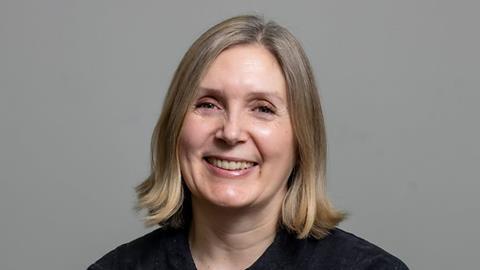
“It would be great to see production companies and suppliers coming to us with integrated ideas that work for both visual and audio platforms from the get-go.”
She added that The Traitors: Uncloaked, which is produced by Platform Media label Listen, has “opened up a new world of creative opportunities” for visualised podcasts, citing earlier attempts like The Greatest Dancer Podcast which failed to draw large audiences.
“Sometimes companion podcasts are not needed because all the emotion and analysis comes out in the programme itself – so you need to think carefully about what there is to talk about. Audiences aren’t interested in the point of view of the director or the costume designer - they want to talk about human connection, the twists and turns and cliffhangers, and the trials and tribulations of those involved.
“The Traitors audience is very hungry, and we have so much gold bonus content that we can’t fit into the show,” she added.
The podcast’s spinoff The Celebrity Traitors: Uncloaked, which ended earlier this month, has picked up the mantle for Uncloaked, drawing between 1m and 2m viewers per night in the 10pm-10.30pm BBC2 slot and averaging 3.1m after seven days, according to Platform Media data. The finale on BBC1 drew 3.7m, rising to 5.4m within seven days.
BBC entertainment commissioning editor Neil McCallum said the Uncloaked brand had brought the broadcaster’s various audio, TV and social teams closer together, with each working on different angles of content.
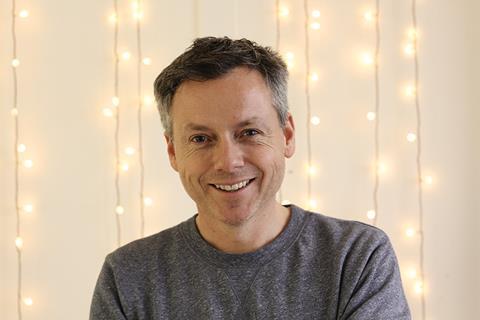
“Two years ago, we would never have thought that BBC News would devote a channel to a preview show the hour before the finale, and that the social team would come up with a finale watch-along,” he said.
“Suddenly, all these things coexist, and I’m sure we will continue to evolve and do slightly different things in the years to come,” he said.
McCallum said the “brilliant melting pot of guests”, including past Traitors competitors, is the ingredient that helps it stand out.
“Some of the past players have gained huge traction with audiences because they are so passionate about the game whether they’re in it or not, and they have brilliant insight because they have actually experienced it before,” he said.
“The tone is about sharing ideas viewers might not have reached themselves but being careful not to say too much – it’s a fine line. But the flow of the conversation and the beats we film haven’t drastically changed from series to series.”
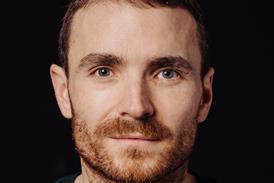
Uncloaked host and comedian Ed Gamble noted how the gameplay niche can offer broad appeal.
“The Traitors is essentially a nerd hobby – but packaged very beautifully to appeal to mainstream audiences,” he said. “The debrief on nerd hobbies is just as important as the hobby; I love escape rooms – but going to the pub to talk about it afterwards takes twice as long as the escape room itself.”
He also suggested the decision to introduce the segment in which the identity of the traitors is revealed to the murdered and banished players has been a key draw – resonating on social media.
Platform Media director of content Suzy Grant agreed the reveal VT sets Uncloaked apart.
“Our producers go into the edit solely to make that moment as funny as possible,” she said. “Unlike traditional TV development, we have a social-first approach and think ahead of time about what will get people talking most and what clips will be shared. We apply that approach across all our podcasts.”






No comments yet