

Happydemics’ Michael Isaacs-Olaye looks at how brands can cover the World Cup this summer
The 2026 FIFA World Cup is already in motion.
‘Road to 26’ friendlies are building momentum, while feeds fill with predictions, narratives, and early heroes, and by kick-off the story will be well underway.
Matches will be played across North America, and many will still watch through broadcast TV. But for hundreds of millions, the real experience will unfold elsewhere: in feeds, group chats, and creator ecosystems.
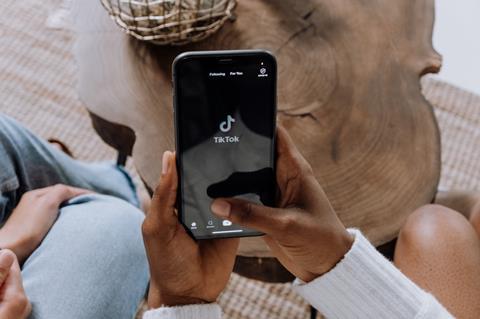
For the first time, broadcasters can stream opening match minutes on YouTube and TikTok, as well as delivering behind-the-scenes access, creator-led storytelling, and live integrations.
That changes how brands show up. They need to ask how to cut through and, critically, how to measure real impact across these fragmented touchpoints.
Social on the front row
Historically, the World Cup was defined by mass, shared viewing, appointment-to-view TV at global scale. Fans across the world sit down in front of a single screen, and collectively watch from one source.
But the model’s changing, especially in Europe. For the continent, this tournament will be defined by late Europe kick-offs (some as late as 2am in the UK) and a congested fixture list.
So, for many, live linear viewing won’t be possible. Instead, social platforms will become the primary point of access for millions of fans, across the globe.
FIFA’s partnerships reflect a global shift to this model. YouTube will host early match windows, highlights, Shorts, and on-demand content. TikTok goes further, embedding creators with access to training, press, and archives. The ambition is clear: make the World Cup embedded in the feed.
It’s a move designed to tap into fan behaviour. Audiences are more likely to watch live sport after engaging with related social content. So, social isn’t competing with broadcast, but reshaping the funnel into it. For brands invested in the competition, it also creates new opportunities to track uplift in awareness, consideration, and intent in real time.
The Influencer World Cup
Creators are also becoming core distribution partners – some are calling this the ‘Influencer World Cup’. FIFA’s creator programme will give influencers unprecedented access, enabling content that blends fandom, storytelling, and real-time coverage.
They offer authenticity, speed, and cultural relevance, producing high volumes of real-time content while providing local perspectives once limited to broadcasters. As seen in past tournaments, creator ecosystems extend every match moment, from build-up to post-match analysis. This adds complexity. Narratives are co-created across thousands of accounts, each optimised for engagement, which makes independent measurement and performance validation essential to understand what’s actually working.
Creative + media = performance engineering
Performance is built upstream, by integrating creative and media from the start. We believe social platforms outperform broader media on perception, interest, and likeability, but only when creative is native to the platform. It should also tap into national identity, fan culture, and real-time trends.
Broadcast is still the main play. The shift isn’t from broadcast to social, but from siloed planning to integrated systems where brand and performance outcomes can still be delivered holistically.
The World Cup is a sequence of micro-moments, from group-stage shocks to knockout drama, each demanding different formats, tones, and distribution as well as creating continuous opportunities for both brand-building and performance impact across the tournament lifecycle.
Winning brands will optimise for the new landscape where brand and performance are integrated as part of the same strategy.
Winning before a single ball is kicked
The defining feature of the 2026 World Cup will be how it’s experienced.
For brands, the opportunity is clear. Those that treat the tournament as a system, combining platform-native creative, strategic media, and pre-optimised execution, will capture attention and drive impact.
The winners on the pitch will lift the trophy in July. In the surrounding media ecosystem, victory will go to those who understand success is built before the first whistle.

Michael Isaacs-Olaye is VP of marketing in the UK for Happydemics



No comments yet