

Francis, EVP of IMG’s studio business, believes use of technology such as unmanned cameras is inevitable
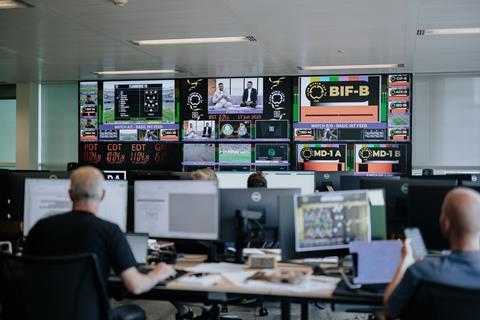
Barney Francis, EVP of IMG’s studios business, joined the Broadcast Sport Podcast for its latest episode.
Francis, who was formerly managing director of Sky Sports, discussed a wide range of topics including how technology is changing sport production and broadcast, how to get more out of a sport’s global rights, the impacts of piracy and more.
He also spoke about how IMG’s production arm has taken advantage of its 2025 acquisition by TKO, including using WWE’s facilities for its MLS coverage, and the Premier League’s move to in-house production.
You can listen to the full episode below, and subscribe to the Broadcast Sport Podcast on all major podcast platforms.
One topic of interest was the rise of AI and automation in production, and how it could have unexpected benefits once it is ready for more extensive use in production.
Francis explained, “I always talk about the chain and all those links between the instant on the field of play and the consumer’s eyes. If there are 100 links in that chain, by next year there’ll be 80 and the year after there’ll be 60, etc. [with AI and automation].
“So the cost efficiency that AI is driving is very helpful in the back end.”
However, this could go further, and Francis believes more advanced tech such as automated camera systems is inevitable. “We often speculate at IMG about when are we going to get to the point where you have four cameras without humans operating them? Fixed points in the stadium that are, with the overlay of AI and other enhancements, going to be able to serve up 25 camera angles for the director to be able to cut.
“Quite how quickly we’ll get there still remains to be seen, but the industry will inevitably get that.”
As well as cutting costs on productions, this could also bring more revenue in unexpected ways, for example, “Seat kills. Obviously you’ve got cameras in gantries, but you have cameras in other positions and quite often the seats that are sat behind the cameras, you can’t sell them.
“That was a financial benefit they’ve never even thought of, in stadium design and where you can where you can position cameras which will be remote heads.”
Francis is wary of going too quickly too fast though, and is keen that sport doesn’t lose what has helped it to stay relevant in an age of declining linear viewership. He said, “We’ll only get there when the story that is told to the viewer, the subscriber, the consumer, or the customer is better than it is today, because we’re in this attention economy where live sport is retaining its position right now as it’s still must see.
“If we go too fast with clunky tech that isn’t quite there yet, we’re only going to dilute that proposition and nobody wants that right now. So all the tech advancements that we talk about will only ever hit your screen when it’s going to enhance it.”
You can listen to the rest of the conversation below, or search for the Broadcast Sport Podcast on any major podcast platform.



No comments yet