






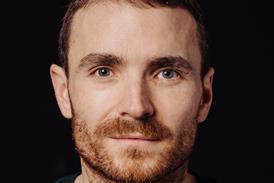
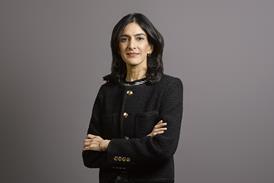

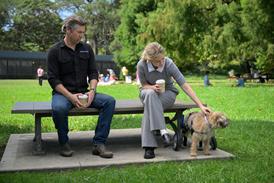
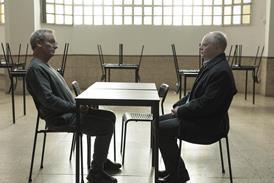
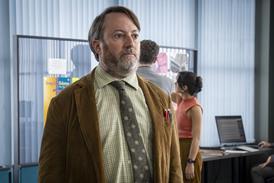









“The last sitting for a whole-of-life portrait of the luckiest generation, 70 Up proved an overwhelming, elegiac farewell”
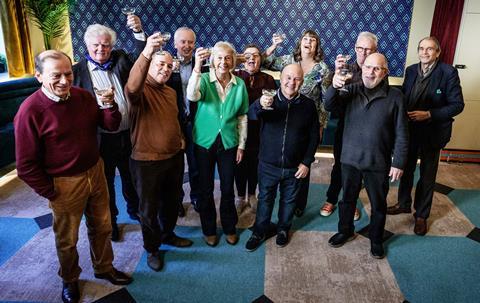
70 Up, ITV1
“Most of the participants seem in robust health, and enjoying their retirements. It would be deeply tasteless to keep returning, deep into old age, until the last of them is gone. But the second part, now available on ITVX, doesn’t shy away from the inevitable. Hunting enthusiast John, a barrister, says cheerfully that he hopes to break his neck ‘just as the hounds are about to go home’. Family man Symon, who has provided foster care for 130 children with his wife Vienetta, believes death will be ‘an open door to somewhere else’. Conceived as a study of Britain’s class system, what this series has in fact become is a snapshot of its post-war history. Nick compared it to time-lapse photography: ‘It’s amazing to see a flower grow and then decay in a couple of minutes.’ We can watch the children grow and age into adults, often all but unrecognisable between one seven-year stage and the next. Over the decades, we have also seen them switch careers, marry, have children and grandchildren, and in several cases leave Britain altogether, for the States, Australia or Europe. But what’s most interesting is to witness how society has changed and evolved with them. Some things are superficial, like the fashions and the cigarettes.”
Christopher Stevens, Daily Mail
“There is, especially in the second instalment of this final film, something of a meta-narrative too, as the participants give their thoughts about the series and about Apted. We also hear archive footage of Apted reflecting on what he learned over the years. Jackie was perhaps his earliest and most vocal combatant, challenging him over various questions – largely about marriage and sex – that she said he only dared ask the women, and she pulls him up on his class bias too. John describes him as having “a sneering and somewhat supercilious manner” and, in essence, painting the privileged as bogeymen. Apted himself said he was judgmental at the beginning, and gradually taught himself to stay out of things as much as possible. But it remains clear, 60-odd years on, that this was not a rigorous or objective journalistic venture but a series profoundly shaped by one man’s vision, background and baked-in assumptions. Acknowledging this, as Kapadia does, is the best thing to do with it now. The achievement has become an artefact to be admired, still, but questioned too.”
Lucy Mangan, The Guardian
“You’d need a heart of reinforced concrete not to have joined in as tears brimmed, even in savvy Jackie, who had one last big plot reveal up her sleeve: a new man. She had her class-based rows with Apted, but stayed and fought and at the end gave thanks. It’s us who owe the Seven Up kids our profound gratitude. None volunteered, and yet here they still were, loyal to a bountiful idea dreamt up at the tail-end of the Baby Boom. The last sitting for a whole-of-life portrait of the luckiest generation, 70 Up proved an overwhelming, elegiac farewell. For its stars, naturally, but also for our pre-streaming yesteryear when a viewing nation watched thoughtful, resonant and well-made documentaries as we never will again.”
Jasper Rees, Telegraph
Neagley, Prime Video
“What can I say? If you like Reacher, you’ll like Neagley – especially if, like its progenitor did, it gains more confidence and starts to allow a little levity to creep in. Relax, artisanal fascista – you’ve got this.”
Lucy Mangan, The Guardian





No comments yet