












“It will have spoken to so many family stories where the impact of the Blitz can still be felt”
Children of the Blitz, BBC2
“Black-and-white footage of nervous children being waved away on trains to the sound of Run Rabbit Run is a familiar and important part of our wartime story. About 800,000 children were evacuated before the German bombardment, but the director Jack Warrender’s tender and ultimately uplifting film Children of the Blitz (BBC2) told the overlooked story of some of the more than two million who weren’t. The elderly contributors’ memories of this experience felt as sharp and fresh as if the events happened yesterday, and it was telling that some could only really speak about them now. It made for a beautiful film that told a big story by homing in on the particular, and it will have spoken to so many family stories where the impact of the Blitz can still be felt.”
Ben Dowell, The Times
“Inevitably, the “blitz spirit” is a phrase most commonly used by people who don’t remember the blitz. This is partly because anyone who can remember the blitz is now at least in their late 80s. But it’s also because, as a lived experience, the blitz was clearly not something that lent itself to sentimental homilies. This wonderful, moving film is, for both of those reasons, a hugely important piece of social history. The voices of these witnesses to the Luftwaffe’s “lightning war” are variously lyrical, wistful, resolute and deeply regretful. We see them as they play with grandchildren, visit old haunts, attend yoga classes. Their wartime experiences are clearly a backdrop to their lives but very present all the same. They are offered up not quite as a corrective to national myths, but certainly with a harder edge than is customary; as a sobering reminder that to evoke the blitz is to evoke deep trauma.”
Phil Harrison, The Guardian
“Some of the accounts were dramatic, such as 92-year-old Ted Bush’s story of returning from a trip to the cinema to see George Formby with his parents and discovering their house had been flattened, along with half the street. A few were amusing: brother and sister John Cheetham and Cynthia Fowler from Hull bickered over memories of their Anderson air raid shelter, and whether it had corrugated iron around the door. It jolly well did, insisted John - he cut his ear on it. But a thread of horror ran through every memory, most of all 92-year-old Jean Whitfield’s desperately sad story of how her mother died.”
Christopher Stevens, Daily Mail
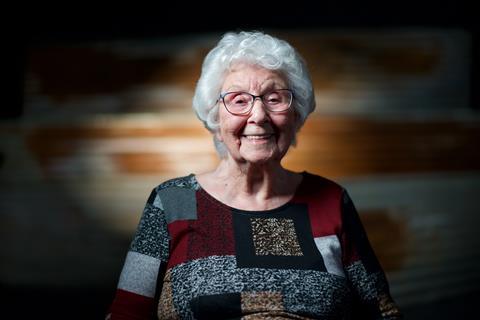
“Dorothea Barron, still teaching yoga at the age of 101, said she rarely talks about those years. Why do it now? “Because everybody’s asking, because they realise that we’re the last elements of the generation that went through the war. So few of us are left.” As a young child, I remember being given a school assignment to interview an older person about their experiences of the Second World War. We spoke to our grandparents, our neighbours. In a few years’ time, that will no longer be possible, and we shall have to rely on programmes like this.”
Anita Singh, Telegraph


No comments yet