






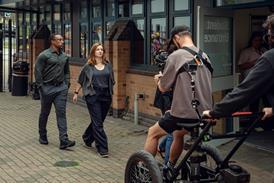
“If this is Snow’s swan song, it is as fine a one as he could wish”
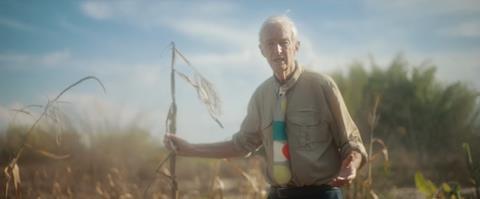
Jon Snow: A Last Big Story, Channel 4
“What is fascinating is the film’s equanimity. Scene by scene it shows both how Snow can and yet can’t do his job. He forgets names and doesn’t know the day of the week, but he still knows injustice when he sees it and retains a tenacious empathy. So, with other people’s help, he gets the story out there. This, in turn, makes the film’s point about Alzheimer’s – as his wife stresses, you can have Alzheimer’s and still be a valued member of society, still contribute if your loved ones are there to help you navigate it. Snow says in the film that “There’s still more to do,” and here he is, rather wonderfully, doing it.”
Benji Wilson, Telegraph
“Looking back on his career, he says: “It would be arrogant to claim that I have been excellent throughout. I haven’t. But I feel I’ve made an honourable contribution.” Few would disagree with that, nor with the claim that the film-within-the-film here is part of it. The honourable contribution made by these documentary-makers should not be overlooked, either. This intelligent, gentle-but-unsentimental hour gives the journalist his laurels and the man his dignity, all while acknowledging the cruelty and grief behind the disease. If this is Snow’s swan song, it is as fine a one as he could wish.”
Lucy Mangan, The Guardian
“At the end of the film we return to Snow and [Precious] Lunga’s ordinary life; how they are coping day to day. Just watching them being easy and affectionate with each other is so straightforwardly moving. There’s a lovely moment when Lunga, seeing Snow struggling to silence his phone, reaches out to help him and he lets her, saying: “Let the wife sort it out. She’s a scientist.” I wish we’d been given more about calm, measured Lunga and how caring for Snow affects her life. In the final scene the couple take an evening walk in Zimbabwe’s Matobo National Park, giggling, mucking about, living on borrowed time. “We should go down before it gets dark,” Snow says. It’s beautifully sad. And a wasted opportunity.”
Susie Goldsbrough, The Times
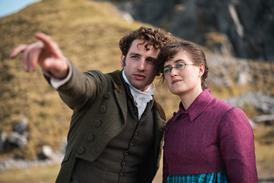
“The basic structure of the documentary is an inspired creative decision. It gives its subject an autonomy and dignity that can be hard to find in stories like this. “Hiding him away would be stifling his life before it’s time,” Lunga observes, and the sight of Snow striding into battle (still wearing his impeccable suit and tie, even in the heat of the African sun) is heartwarming. Yet the show does not shy away from the reality of his condition. In a sequence with Katie Razzall, a protege of his at Channel 4, he seems not to remember that he himself has been investigating this story in Zambia. “I just suddenly thought I was going to cry,” she confesses. It is a bleak moment but, crucially, it feels real. The balance of this story might’ve felt confected to give Snow another shot at the headlines. Small moments like this ground it in the difficult reality.”
Nick Hilton, Independent
“Jon Snow: A Last Big Story could turn out to be one of his greatest achievements, as both a poignant insight into this particular form of dementia, and in hopefully bringing some redress for those Zambians whose lives and lands have been blighted. Not that the documentary skirts around the practical problems of his Alzheimer’s – he asks bemused witnesses the same question multiple times, for example. One quietly devastating sequence in particular underlines the severity of his condition: he fails to recognise the accompanying camera crew and why they are filming him. But as he says: “Worrying about getting old is absurd… stop worrying and get on with it.””
Gerard Gilbert, The i




No comments yet