














“These brisk, half-hour episodes canter along with a deftly light touch, meaning that scenes aren’t always subtle but they are extremely watchable”
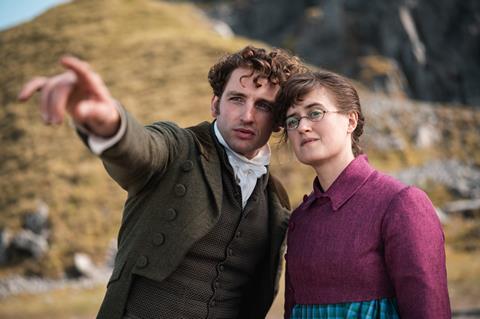
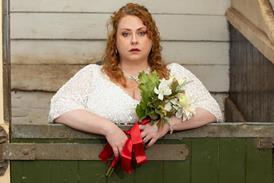
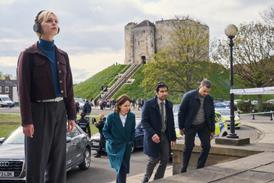
The Other Bennet Sister, BBC1
“The feel of this series is familiar: we know these characters, or those like them; the dialogue is pleasingly faithful to Austen’s original language and tone. And yet the decision to chart Mary’s coming of age in a tale of underdog-turned-unlikely-heroine breathes new life into the buttoned-up world of Georgian England. At this point, as a dyed-in-the-wool period drama stan, I’ve watched more Austen adaptations than I care to remember; it’s incredibly tough to inject freshness into stories so frequently retold. But The Other Bennet Sister provides the ideal hit, combining all the comfort-watching pleasure of a beloved classic with the anticipation of following a previously little-known character on a brand new journey of self-discovery.”
Helen Coffey, The Independent
“Most sisters love one another, help each other out, share their days, their joys and disappointments and the very stuff of life in the way that some men could only dream of with their brothers. The reason we love fictional sisters is, as so often the case, much more quotidian, more reassuring in reality. It is the simple appeal of seeing how lives turn out when people are doing their best to be on each other’s sides. Headlines are conflict, but life is both conflict and solidarity, and all our best stories hold both. And if you think this is merely historical, may I refer you to the BBC’s latest big warm-hearted hit, The Walsh Sisters, based on Marian Keyes’ beloved contemporary novels, about a great rowdy clump of sisters who love each other through thick and thin, through all the vicissitudes of life. The girls are alright.”
Jenny Colgan, Telegraph
“Matters improve for both Mary and the viewer when she is sent away to be a governess and is allowed to develop some character and interests. Until then, The Other Bennet Sister feels too slight a thing even for the pre-watershed Sunday evening slot it is designed for (insofar as time slots mean anything to us in these crazy digital streaming days). But the growing charm and heft – not to mention the lovely central performance from Bruccoleri – make it one worth sticking with. Sorry, Mary – one with which it is worth sticking.”
Lucy Mangan, The Guardian
“These brisk, half-hour episodes canter along with a deftly light touch, meaning that scenes aren’t always subtle but they are extremely watchable. The humour is pitched just right. There is Richard E Grant as Mr Bennet, rolling his eyes behind his newspaper and, when Mary sings (badly) at an event, he steps in to stop her, delivering the famous line: “You have delighted us long enough.””
Carol Midgley, The Times
“To fans of Austen’s book, and everyone who loves the adaptations with Keira Knightley or Jennifer Ehle, the heroine Lizzie is delightful. Her quick emotions and her loyalty make us care deeply for her, and no matter how many times we watch or read the story, we worry when her life teeters on the brink of disaster. But in Mary’s version, Miss Elizabeth Bennet (Poppy Gilbert) comes across as far too pleased with herself, smug and even a little arrogant. And her irrepressible sense of humour, as she hides a laugh up her sleeve, makes her appear snide and shallow.”
Christopher Stevens, Daily Mail
“The atmosphere was jolly, a sort of velvety, private drinking club vibe, the celebrities dressed up and with glasses of wine. Chat shows are primarily about entertaining the viewers and about the host’s personality because celebrities talk about personal matters on social media now. So the host’s job is about creating an amusing, banterish ambience, which is why comedians tend to be good at it. Winkleman is not a comedian but she is funny (she made a joke about breastfeeding her dog). She should relax more and have the confidence to be herself. And, dare I say it, be a bit less nice. This is a job that is more difficult than it looks. Winkleman, despite her self-mockery and nerves, put in a respectable first shift.”
Carol Midgley, The Times
“In her opening remarks, Winkleman speculates this might be “the first and last” episode of her self-titled show. It won’t be, of course. The British public have enormous affection for her and the BBC is determined to keep her in-house. Throwing a new chat format straight into primetime (Norton did two years on BBC Two before transferring) is daunting, but The Claudia Winkleman Show has the potential to be a stylish, televised cocktail party. The ingredients are there – and they have the right mixologist – but they might need to tweak the recipe.”
Nick Hilton, The Independent
“Although it shares the same Friday night slot and the same production company as The Graham Norton Show, the tone is different. Norton’s programme is marked by celebrities laughing at each other’s outrageous stories, everyone giving the impression that they’re several chardonnays to the wind even when they’re stone cold sober, and Miriam Margolyes appearing once every three weeks. Winkleman’s programme is cosier and more wholesome, despite the set having hotel lounge bar vibes and the kind of lighting that has you whipping out your phone torch so you can read the menu.”
Anita Singh, Telegraph






No comments yet