










US president’s legal team accuses UK broadcaster of ‘deceptively doctoring’ his 6 January, 2021 speech
The BBC is to defend Donald Trump’s $10bn (£7.4bn) lawsuits filed in Florida yesterday, following the editing of his speech in Panorama’s film, Trump: A Second Chance?.
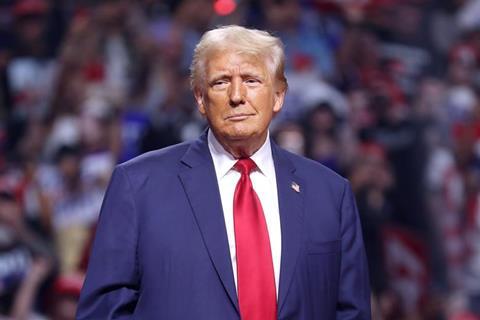
The US president, who revealed plans to sue the broadcaster for $1bn last month, claims the BBC defamed him by splicing together two parts of his speech in the documentary, which aired a week before the US presidential election in November 2024.
In court documents filed on Monday, his legal team accused the BBC of “a brazen attempt to interfere in and influence the election’s outcome to president Trump’s detriment.”
Trump’s legal team also accused the broadcaster of “intentionally, maliciously, and deceptively doctoring” the US president’s speech made on 6 January 2021, adding that they portrayed him in a ”false, defamatory, deceptive, disparaging, inflammatory, and malicious” manner.
His legal representatives have also filed a $5bn lawsuit that claims the BBC violated Florida’s trade practices.
BBC chair Samir Shah has already acknowledged errors were made in the editing of programme, which pulled together parts of Trump’s speech that were more than 50 minutes apart, while the UK broadcaster has also apologised.
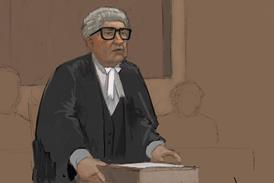
A BBC spokesperson, responding to the lawsuit filing, said today: “As we have made clear previously, we will be defending this case. We are not going to make further comment on ongoing legal proceedings.”
The issue first emerged in Michael Prescott’s leaked dossier earlier this year, which was a key factor in the shock resignations of director general Tim Davie and news chief Deborah Turness.
The BBC’s lawyers previously defended itself against the accusations by arguing that the doc had not been available in the US, nor did they believe that Trump had been defamed or harmed by the film, pointing to his subsequent election in November 2024 and improving his winning margin in Florida.
Trump’s team, however, has claimed that viewers in Florida could have watched the show via BritBox or by using a VPN to watch the BBC’s iPlayer service, which is only available in the UK.
The lawsuit adds that the “publicity” around the documentary and the “significant increases” in VPN usage in Florida since its debut “establishes the immense likelihood” that citizens of the US state “accessed the documentary before the BBC had it removed.”
It also describes the decision by the doc’s distributor, Canada-based Blue Ant Media, to drop the show from its catalogue as “an action displaying awareness of wrongdoing”.
The filing also argues that the distributor “aggressively advertised” the doc outside of the UK, “further evidencing the intent of the BBC and its strategic partners to disseminate the documentary as widely and into as many streams of commerce and channels of distribution as possible, including Florida.”
This article was updated after publication with confirmation of the BBC’s response to the lawsuits
No comments yet